The Flavor Science: Why This Sweet and Spicy Formula Works
The Ingredient Blueprint: Freshness Matters
How to Make Hot Sauce: Step-by-Step Production Guide
Creative Flavor Variations to Try
Common Mistakes: Pitfalls to Avoid with Fruit-Based Hot Sauces
The Ultimate Pairing Guide: What to Drizzle Your Sauce On
Frequently Asked Questions (FAQ)
Official Recipe Card: Tropical Pineapple Hot Sauce
The Ultimate Tropical Heat Craving
We have all been there: you take a bite of a perfectly cooked street taco, a crispy piece of fried chicken, or a grilled shrimp skewer, and something is missing. It needs a splash of something bright, clean, and aggressively flavorful to cut through the fat and wake up your palate. Standard grocery store hot sauces offer plenty of vinegar and sodium, but they often lack depth, freshness, and complexity. If you want a condiment that delivers an immediate wave of tropical sweetness followed by a clean, lingering burn, making this pineapple hot sauce recipe at home is the ultimate fix.
There is something deeply satisfying about creating your own spicy condiments from scratch. Instead of relying on artificial preservatives, stabilizers, or high-fructose corn syrup, this recipe relies on fresh fruit, aromatic vegetables, and vibrant chilies. This balance creates a highly addictive flavor profile that completely transforms ordinary weeknight meals into restaurant-quality experiences. If you love experimenting with unique heat layers, master this base recipe and prepare to upgrade your condiment game forever.
What is a Homemade Pineapple Hot Sauce?
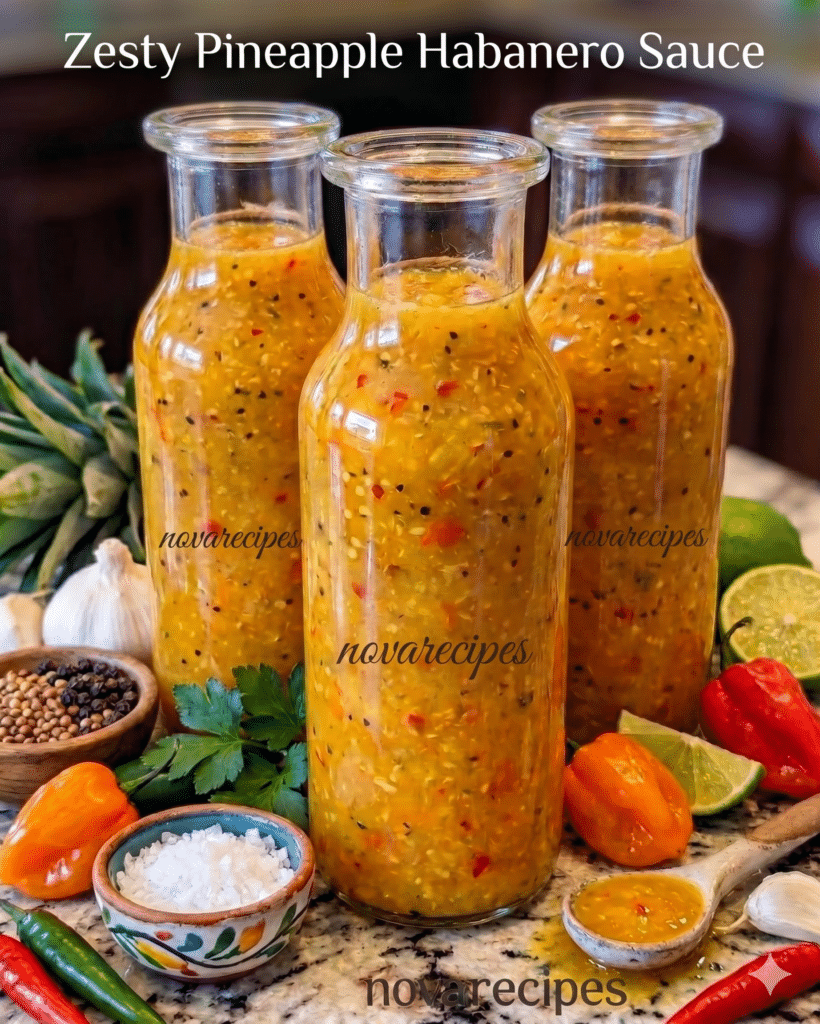
A pineapple hot sauce recipe is a contemporary, fruit-forward condiment that bridges the gap between intense chili heat and natural tropical sweetness. Unlike traditional hot sauces that focus primarily on aged peppers, salt, and heavy white vinegar, this style introduces fresh pineapple as a structural base component. This results in a thick, beautifully emulsified, vibrant yellow sauce that delivers immediate flavor before the heat coats the palate.
While most commercial variations rely on artificial thickeners, a premium homemade pineapple hot sauce achieves its rich texture through the natural fiber and pectin found within the fruit itself. It is a versatile, bright, and intensely expressive condiment that celebrates the natural affinity between tropical fruits and hot chili peppers. It is not a chunky salsa; rather, it is a smooth, pourable, or squeeze-bottle-ready masterpiece designed to coat food evenly.
The Flavor Science: Why This Sweet and Spicy Formula Works
The human palate is hardwired to respond beautifully to contrasting sensory inputs. This pineapple hot sauce recipe succeeds because it targets multiple taste receptors simultaneously. The magic lies in the relationship between capsaicin (the chemical compound responsible for the heat in chili peppers) and fructose (the natural sugars present in pineapple).
[Capsaicin (Fiery Burn)] <---> Balanced By <---> [Fructose & Acidity (Fruit Sweetness)]
                                                        |
                                            Produces a Rounded Finish
When you consume capsaicin, it binds to heat-activated receptors in your mouth, sending a direct signal to the brain that things are burning. High concentrations of sugar and acid naturally mitigate this reaction, softening the initial sting and allowing you to taste the floral, citrusy nuances of the pepper rather than just raw pain.
Furthermore, pineapple contains an enzyme called bromelain, which helps break down heavy proteins, while its high natural acidity guarantees a low pH balance. Combined with real lime juice and white vinegar, this sauce naturally preserves itself while delivering a bright finish that prevents the sweetness from feeling cloying.
The Ingredient Blueprint: Freshness Matters
To achieve a perfectly balanced flavor profile, every single ingredient must serve a specific structural purpose. Avoid substitutions wherever possible to guarantee the best texture and shelf-life.
The Sweet Base
Fresh Pineapple: Always select a ripe, aromatic whole pineapple. Look for a golden base and leaves that pull out easily. Avoid canned pineapple, as the heat pasteurization process alters the delicate volatile flavor compounds and adds excess water.
The Heat Profile
Fresh Habanero Peppers: Habaneros are the undisputed soulmate of tropical fruits. They possess a naturally floral, apricot-like aroma that complements the pineapple beautifully, alongside a sharp heat rating of 100,000 to 350,000 Scoville Heat Units (SHU).
The Aromatics and Seasonings
Sweet White Onion & Fresh Garlic: These form the foundational savory baseline. Sautéing them gently removes their raw bite, transforming them into a mellow, umami-rich canvas that ties the sweet and spicy elements together.
Fresh Ginger: A small piece of grated ginger introduces a clean, zesty pop of secondary heat that helps bridge the transition from sugary fruit to fiery chili.
Coarse Sea Salt: Essential for drawing out moisture from the aromatics and elevating the natural sugars of the pineapple.
The Acid and Liquid Base
Distilled White Vinegar: Provides the clean, sharp acidity required to lower the pH of the sauce, ensuring it is shelf-stable and bright.
Fresh Lime Juice: Adds a layer of raw, punchy citric acidity that brightens the cooked fruit elements.
How to Make Hot Sauce: Step-by-Step Production Guide
Phase 1: Knife Work and Safety Protocols
Because chili oils can cling to your skin for hours, always wear kitchen gloves when prepping fresh peppers. Slice off the green stems and roughly chop the chilies. If you prefer a highly approachable table sauce with a clean burn, split the peppers open and scrape out the seeds and white ribs. If you live for intense heat, leave the ribs and seeds completely intact. Roughly dice your sweet onion and peel your fresh garlic cloves.
Phase 2: Sweat and Soften the Aromatics
Heat a small splash of neutral oil in a non-reactive saucepan over medium heat. Drop in your diced onion and minced garlic, sautéing for roughly 4 to 5 minutes until they turn translucent and highly aromatic. Do not let the garlic brown, as burnt garlic introduces a bitter note that will ruin the fruity profile of the final product.
Phase 3: The Simmer and Infusion Process
Add the cubed pineapple, chopped habaneros, grated ginger, and sea salt to the pan. Pour in the distilled white vinegar and a small splash of water to ensure the fruit can cook down evenly. Bring the entire mixture up to a gentle boil, then immediately drop the heat to low. Cover the pan and let it simmer for 15 minutes. You are looking for the pineapple chunks to turn soft and slightly translucent, and the peppers to tenderize completely.
Phase 4: Blending to Perfect Emulsification
Remove the pan from the heat and let it cool for a few minutes so you aren’t blending boiling liquid. Stir in the fresh lime juice. Transfer the contents into a high-powered blender. Secure the lid tightly, holding it down with a kitchen towel for safety. Start on low speed and gradually ramp it up to high, processing for a full 60 to 90 seconds until the sauce looks velvety smooth and completely uniform.
Creative Flavor Variations to Try
The beauty of a homemade pineapple hot sauce is its adaptability. You can easily tweak the formula to match your personal heat tolerance and flavor preferences.
The Roasted/Charred Variation: Before simmering, toss your pineapple chunks, onion slices, and habaneros under a hot broiler for 5 to 7 minutes until they develop deep, blackened char marks. This infuses the final sauce with an incredible smoky, caramelized depth that pairs beautifully with grilled meats.
The Mango-Infused Blend: Swap out half of the pineapple for fresh, ripe mangoes. This creates a remarkably velvety texture and adds a different layer of tropical perfume. If you love that specific combination, you can explore my step-by-step Mango Habanero Sauce Recipe which is an absolute classic for chicken wings.
The Mild Crowd-Pleaser: If habaneros feel too intimidating for your dinner guests, swap them out entirely for fresh jalapeño peppers. This will shift the color of the sauce to an attractive light olive-green and drop the heat down to a highly approachable, warm simmer. For a pure green option, take a look at my Green Jalapeno Hot Sauce Easy Homemade Recipe.
Common Mistakes: Pitfalls to Avoid with Fruit-Based Hot Sauces
Even experienced sauce makers run into issues if they rush the process. Keep these professional troubleshooting tips in mind to ensure a flawless blend.
1. The Sauce Splits or Separates Over Time
Because this recipe does not use commercial stabilizers like xanthan gum, minor separation can naturally occur as the sauce sits in the fridge. To prevent this, ensure your blender runs on maximum high speed for at least a minute to break down the fruit fiber into a stable emulsion.
2. The Vinegar Taste is Too Overwhelming
If you sample the hot sauce right after blending, the vinegar might taste aggressively sharp. Do not panic. Hot sauces need time to mature. Pour the sauce into a jar and let it rest in the refrigerator for at least 24 to 48 hours. The harsh edges of the acid will soften significantly, allowing the natural sweetness of the pineapple and the fruitiness of the habanero to shine through.
3. The Heat Level is Too Intense to Eat
If you misjudged your peppers and the sauce is uncomfortably hot, you can easily save the batch. Blend in extra chunks of cooked, sweet pineapple, a tablespoon of brown sugar, or a splash of water. Increasing the volume of sweet solids will naturally dilute the capsaicin concentration back down to an enjoyable level. If you ever swing too far the other way and want pure, face-melting heat, you will have to step up to my Carolina Reaper Powder Recipe.
The Ultimate Pairing Guide: What to Drizzle Your Sauce On
This pineapple hot sauce recipe is incredibly versatile across a wide variety of savory dishes. Its natural acidity and sweetness make it a spectacular pairing choice for rich, savory proteins.
                  [Pineapple Hot Sauce]
                           |
       +-------------------+-------------------+
       |                   |                   |
[Seafood Dishes]    [Grilled Poultry]    [Savory Pork]
- Fish Tacos        - Crispy Wings       - Al Pastor Tacos
- Grilled Shrimp    - Smoked Chicken     - Pulled Pork
1. Elevated Seafood Enhancements
This sauce is arguably the best hot sauce for tacos featuring seafood. The tropical brightness cuts through the rich, fried exterior of crispy fish or seasoned shrimp beautifully. Drizzle it over shredded cabbage wraps, or blend it with a spoonful of mayonnaise to create a custom tropical crema. For an incredibly dynamic taco night layout, pair it side-by-side with my Best Fish Taco Sauce Recipe to give your guests both creamy and fruity options.
2. Poultry and Game-Day Wings
Move over standard buffalo sauce. Tossing crispy, air-fried chicken wings in this sweet and spicy blend creates an instant crowd favorite. If you are assembling a full game-day spread, consider featuring this alongside a batch of my popular Wing Sauce Recipes or my rich Homemade Cajun Honey Butter Wings Sauce to cover all your flavor bases from sweet to savory.
3. Pork and Smoked Meats
The combination of pork and pineapple is a time-tested culinary tradition. Drizzle this sauce generously over slow-cooked carnitas, traditional Tacos al Pastor, or pulled pork sandwiches. The clean acidity helps break down the heavy mouthfeel of rich pork fat, keeping every bite tasting fresh and vibrant. If you are serving it alongside classic barbecued styles, it makes a phenomenal counter-element to my rich Sweet Blackberry BBQ Sauce.
Frequently Asked Questions
Is this pineapple hot sauce recipe gluten-free and vegan?
Yes. This recipe relies entirely on whole, plant-based ingredients, making it naturally vegan, gluten-free, dairy-free, and suitable for a wide variety of clean-eating dietary lifestyles.
Can I use frozen pineapple instead of fresh?
Yes, frozen pineapple chunks are an excellent alternative if fresh, ripe pineapples are out of season. Let the frozen chunks thaw completely at room temperature and drain away any excessive pools of ice water before adding them to your saucepan.
How do I make my hot sauce completely shelf-stable?
To store hot sauce safely at room temperature for months, you must verify that its pH level sits firmly below 4.6 using a digital pH meter. You also need to perform a traditional boiling water bath canning process with sterilized bottles. For casual home cooks, keeping the sauce in the refrigerator is much simpler and safer.
What can I substitute for habanero peppers?
If you cannot find fresh habaneros, Scotch Bonnet peppers are the best direct substitute, offering an identical heat range and a wonderfully similar tropical flavor profile. For a much milder sauce, choose fresh jalapeño or serrano peppers instead.
Why do you cook the pineapple instead of blending it raw?
Cooking the pineapple softens its fibrous structure, resulting in a much smoother, completely emulsified texture when blended. Simmering also mellows the aggressive sulfur notes in the garlic and onions, binding the flavors together into a cohesive sauce rather than a chunky salsa.
How long does homemade pineapple hot sauce last in the fridge?
Stored in an airtight glass jar or bottle, this sauce will easily remain fresh for up to 1 month in the refrigerator. The natural acidity of the vinegar and lime juice acts as an excellent preservative.
====================================================================
               NOVA RECIPES - OFFICIAL RECIPE CARD
====================================================================
Recipe: Tropical Sweet and Spicy Pineapple Hot Sauce
Prep Time: 10 Minutes | Cook Time: 15 Minutes | Yield: Approx. 2 Cups
====================================================================

INGREDIENTS:
* 2 cups fresh pineapple, cored and cubed
* 3 whole habanero peppers, stems removed and roughly chopped
* 1/2 cup sweet white onion, chopped
* 3 cloves fresh garlic, minced
* 1 tsp fresh ginger, finely grated
* 1/2 cup distilled white vinegar
* 2 tbsp fresh lime juice
* 1 tsp coarse sea salt
* 1 tsp neutral cooking oil

METHOD:

1. SAUTÉ THE AROMATICS
   Heat the neutral oil in a non-reactive saucepan over medium heat.
   Add the chopped onion and minced garlic. Sauté gently for 4
   to 5 minutes until soft and translucent. Do not brown.

2. SIMMER THE INFUSION
   Add the cubed pineapple, chopped habaneros, grated ginger,
   sea salt, and distilled white vinegar to the saucepan. Bring
   to a brief boil, then reduce the heat to low. Cover and simmer
   gently for 15 minutes until the fruit is tender.

3. BLEND TO EMULSIFY
   Remove from the heat and allow the mixture to cool slightly.
   Stir in the fresh lime juice. Transfer the entire contents into
   a high-powered blender and process on high speed for 60 to 90
   seconds until completely smooth and velvety.

4. BOTTLE AND AGE
   Pour the sauce into clean glass jars or bottles. Let the sauce
   cool to room temperature, seal tightly, and store in the
   refrigerator. For the absolute best flavor, let the sauce age
   for 24 to 48 hours before using.
====================================================================
🌶️ Join the Flavor Lab!
Did you make this recipe? I want to see how your batch turned out! Snap a photo of your finished sauce bottle or your ultimate taco spread and tag @novasrecipes on Instagram so I can share your creations with our community!
Recipe by StephanieCourse: Homemade Sauces, Dips u0026amp; Marinades
Servings
4
servings
Prep time
30
minutes
Cooking time
40
minutes
Calories
300
kcal
Ingredients
* 2 cups fresh pineapple, cored and cubed * 3 whole habanero peppers, stems removed and roughly chopped * 1/2 cup sweet white onion, chopped * 3 cloves fresh garlic, minced * 1 tsp fresh ginger, finely grated * 1/2 cup distilled white vinegar * 2 tbsp fresh lime juice * 1 tsp coarse sea salt * 1 tsp neutral cooking oil
Directions
1. SAUTÉ THE AROMATICS Heat the neutral oil in a non-reactive saucepan over medium heat. Add the chopped onion and minced garlic. Sauté gently for 4 to 5 minutes until soft and translucent. Do not brown.
2. SIMMER THE INFUSION Add the cubed pineapple, chopped habaneros, grated ginger, sea salt, and distilled white vinegar to the saucepan. Bring to a brief boil, then reduce the heat to low. Cover and simmer gently for 15 minutes until the fruit is tender.
3. BLEND TO EMULSIFY Remove from the heat and allow the mixture to cool slightly. Stir in the fresh lime juice. Transfer the entire contents into a high-powered blender and process on high speed for 60 to 90 seconds until completely smooth and velvety.
4. BOTTLE AND AGE Pour the sauce into clean glass jars or bottles. Let the sauce cool to room temperature, seal tightly, and store in the refrigerator. For the absolute best flavor, let the sauce age for 24 to 48 hours before using.