There is an unwritten law among home cooks, pitmasters, and sports bar chefs: The cooking method gives a chicken wing its texture, but the sauce gives it its soul.
Every single year, billions of wings are consumed during major sporting events, watch parties, and backyard gatherings. While achieving that perfectly shattered, ultra-crispy outer skin is the foundational technical goal, a plain wing is nothing more than a blank canvas. The true magic happens the moment that crispy skin collides with a thoughtfully crafted, high-impact sauce.
In the modern culinary landscape, a singular bowl of basic hot sauce no longer cuts it. Today’s flavor trends lean heavily toward global fusion, texturally distinct coatings, and complex profiles that balance multiple taste receptors simultaneously. A genuinely elite game-day spread requires variety—a curated spectrum that navigates from sharp acidity to smoky sweetness, herby aromatics, and deep, global umami notes.
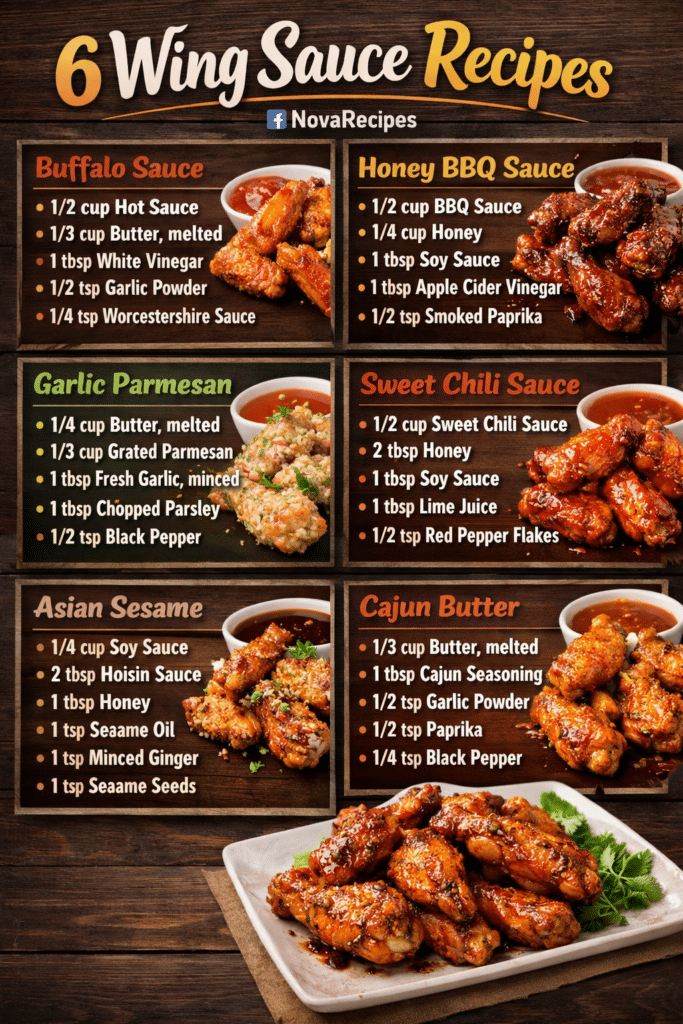
This definitive guide breaks down six diverse, high-impact wing sauce recipes. Engineered to deliver restaurant-quality results right in your home kitchen, these recipes ensure there is a distinct, unforgettable flavor profile for every single palate at your table.
The Core Science of Wing Perfection: Wet Steams, Dry Crisps
Before blending a single ingredient, we must address the absolute prerequisite of wing craftsmanship: moisture control.
Whether you choose to deep fry, air fry, smoked-grill, or oven-bake your wings, surface water is your absolute enemy. When raw chicken skin meets heat, any surface moisture turns into trapped steam. This steam balloons underneath the skin, preventing it from rendering down and transforming into a crisp crust. The result? A rubbery, pale wing that sheds its sauce rather than holding onto it.
The Golden Preparation Rule: Always remove your raw chicken wings from their packaging at least an hour before cooking. Lay them across a baking sheet lined with paper towels, and pat the top surfaces aggressively until bone dry. For an advanced crunch, leave them uncovered in the refrigerator for up to 4 hours to let the cool, moving air naturally dehydrate the skin.
1. Classic Buffalo Sauce
6 Must-Try Wing Sauce Recipes: The Ultimate Guide to Game-Day Flavor (2026) 7
The Sharp, Vinegar-Fueled Pub Legend
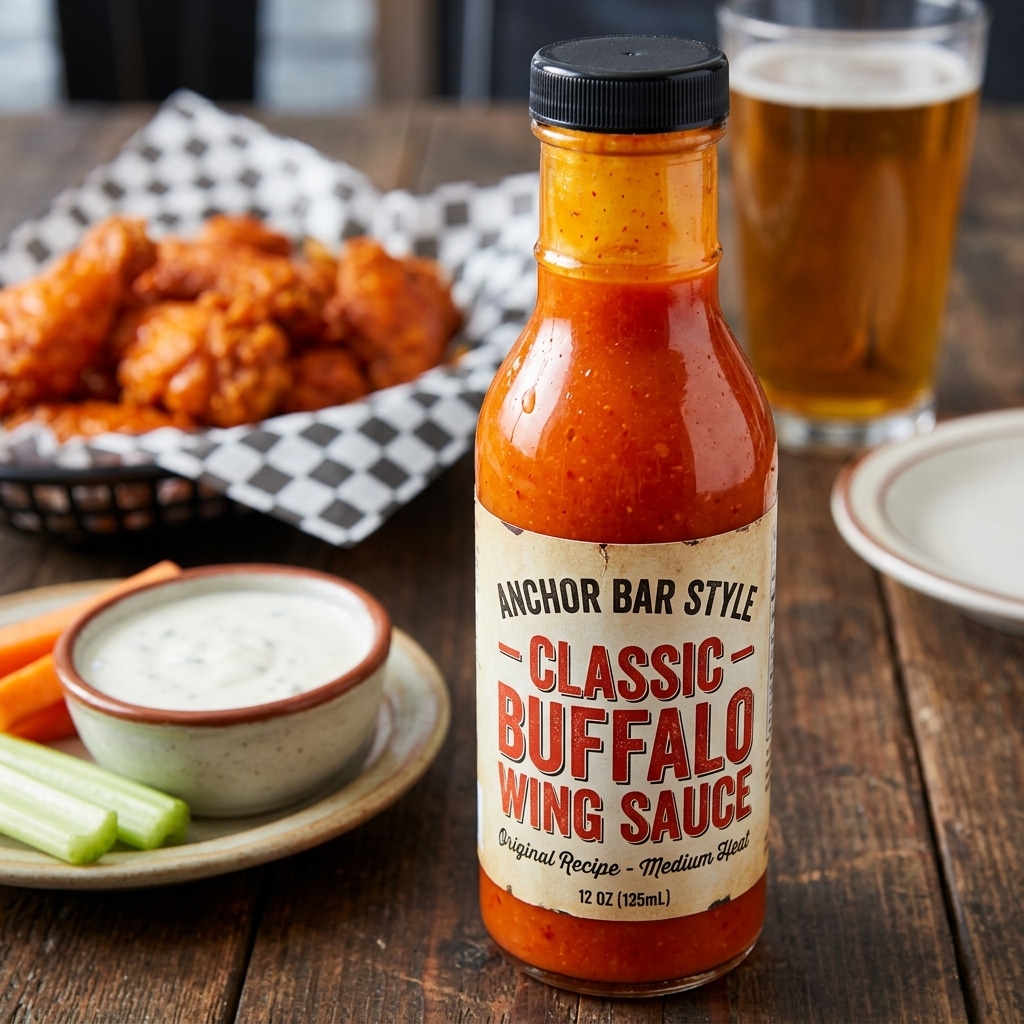
The absolute cornerstone of sports-bar culture, authentic Buffalo sauce is an exercise in culinary chemistry. Many amateur cooks believe Buffalo sauce is merely bottled hot sauce poured directly from the plastic jug. In reality, a genuine Buffalo glaze relies entirely on a structural emulsion—locking liquid fats and sharp vinegar acids together to form a rich, opaque coat that clings beautifully to the skin.
This profile is defined by its sharp, tang-forward notes and rich, velvety body. It delivers a solid medium-high heat that registers around a 3.5 out of 5 on the spice scale. It is best paired with traditional deep-fried or high-heat air-fried wings that can cut through the heavy butter base.
The Ingredient Blueprint
1/2 cup Aged Cayenne Pepper Hot Sauce (such as Frank’s RedHot Original)
1/3 cup Unsalted Butter
1 tbsp White Vinegar (for that signature up-front nasal punch)
1/2 tsp Garlic Powder
1/4 tsp Worcestershire Sauce (the crucial savory anchor)
Step-by-Step Culinary Execution
Place a small, heavy-bottomed saucepan over the lowest setting on your stovetop.
Add the hot sauce, white vinegar, garlic powder, and Worcestershire sauce, whisking until thoroughly combined.
Slice your butter into small, uniform cubes. Drop them into the warm liquid one by one, whisking continuously.
Watch your pan temperature carefully. The liquid should become warm enough to melt the solid butter fat, but it must never boil. If the mixture crosses the boiling threshold, the milk solids will break away from the liquid fat. This splits the sauce into a translucent, oily layer and a gritty red sediment.
Once smooth and entirely cohesive, remove from the heat and cover to keep warm until the moment of the toss.
2. Honey BBQ Sauce
6 Must-Try Wing Sauce Recipes: The Ultimate Guide to Game-Day Flavor (2026) 8
The Rich, Sweet, and Sticky Backyard Classic
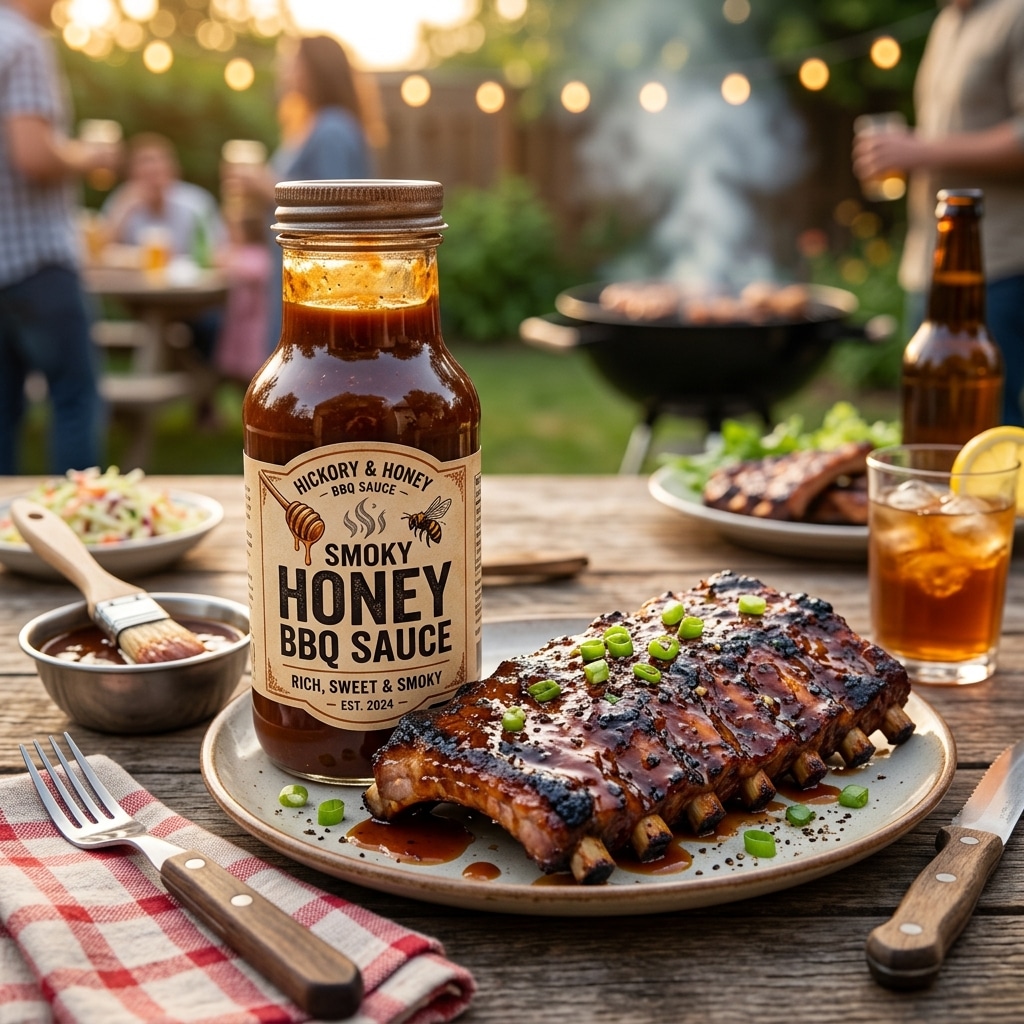
For the crowd that prioritizes comfort, sweetness, and deep wood-smoke aroma over mouth-numbing heat, a thick Honey BBQ sauce is the ultimate go-to. The absolute secret to an exceptional BBQ wing glaze is balancing high-sugar viscosity with an appropriate dose of clean acidity, preventing the profile from tasting like artificial syrup.
This is a high-viscosity, slow-pouring glaze that scores an incredibly mild 0.5 out of 5 on the heat index. Because of its deep molasses and hickory smoke notes, it serves as the absolute best match for wood-fired, smoked, or charcoal-grilled chicken.
The Ingredient Blueprint
1/2 cup Thick, Tomato-Based Hickory BBQ Sauce
1/4 cup Raw, Liquid Honey
1 tbsp Low-Sodium Soy Sauce (the secret mineral salt layer)
1 tbsp Apple Cider Vinegar (essential for cutting through heavy sugars)
1/2 tsp Smoked Paprika (for an added layer of wood-fired depth)
Step-by-Step Culinary Execution
Combine all five ingredients into a small saucepan and place over medium-low heat.
Bring the mixture to a faint, gentle simmer, stirring continuously with a silicone spatula to prevent the bottom sugars from scorching.
Simmer for precisely 3 to 4 minutes. This process allows the water content inside the honey and cider vinegar to gently evaporate, concentrating the natural sugars and causing them to interlock at a molecular level.
Once the glaze darkens slightly and leaves a thick, clean trail on the back of your spoon, remove it from the heat source.
3. Garlic Parmesan
6 Must-Try Wing Sauce Recipes: The Ultimate Guide to Game-Day Flavor (2026) 9
The Sophisticated, Herb-Forward Aromatic Alternative
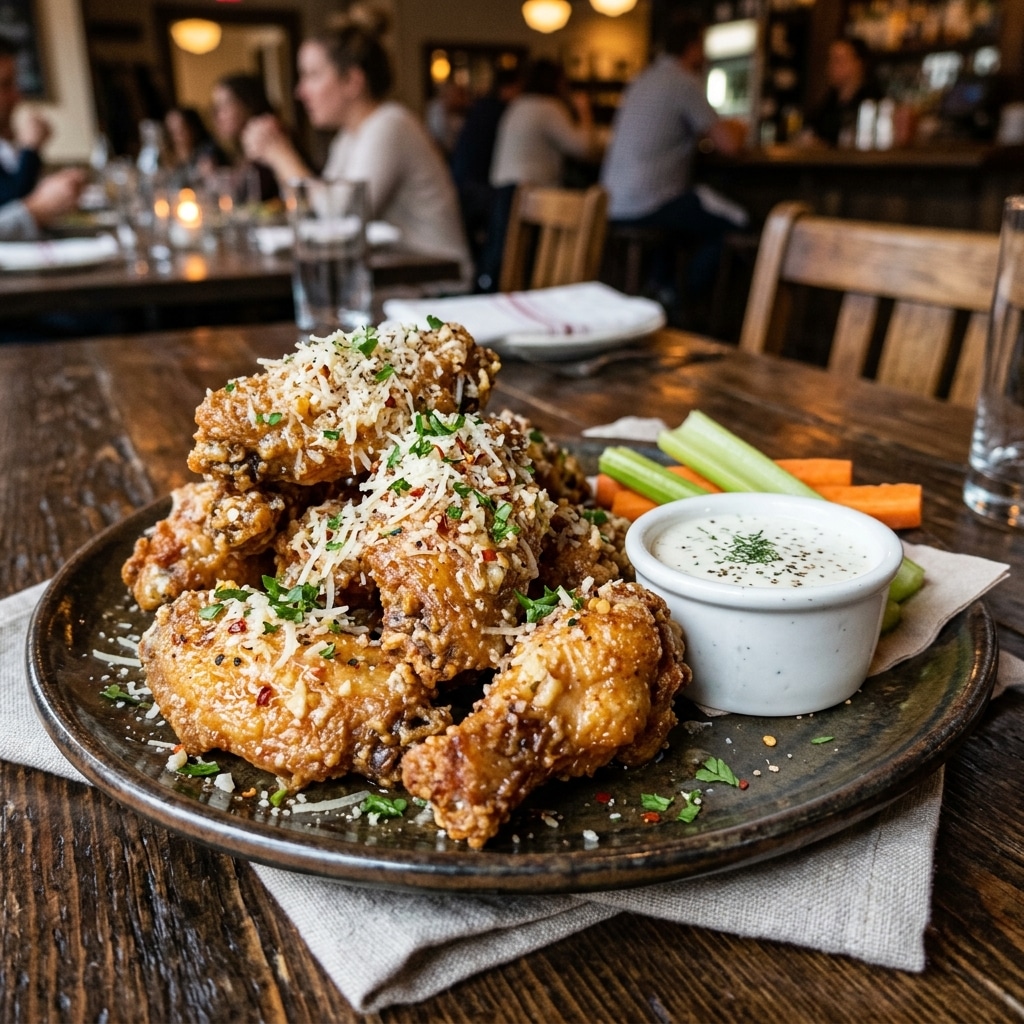
If you are looking to offer a striking contrast to heavy, tomato-based or pepper-heavy glazes, Garlic Parmesan introduces a sophisticated, herbaceous option. Rather than drowning the chicken in liquid, this profile relies on infusing warm fats with fresh aromatics and completing the dish with crystalline, hard-aged cheese.
This style is entirely devoid of capsaicin heat, making it a comfortable zero on the spice scale. It acts as a textured paste rather than a fluid liquid, leading with pungent garlic, salty cheese, and clean herbal notes. It pairs exceptionally well with conventional oven-baked or convection-roasted wings.
The Ingredient Blueprint
1/4 cup Unsalted Butter
1/3 cup Parmigiano-Reggiano, finely grated on a microplane
1 tbsp Fresh Garlic, minced into a fine paste
1 tbsp Fresh Flat-Leaf Italian Parsley, finely minced
1/2 tsp Coarsely Cracked Black Pepper
Step-by-Step Culinary Execution
Melt the unsalted butter in a saucepan over low heat.
Add the minced garlic paste to the warm liquid. Let it gently cook for exactly 60 seconds. You are looking to bloom the garlic—drawing out its pungent essential oils and removing its sharp, raw sulfur bite. The garlic must remain pale white or light yellow. Do not let it turn brown; burnt garlic develops a bitter, metallic taste that clashes with the delicate flavors of the cheese.
Remove the pan from the heat source and immediately stir in the cracked black pepper and freshly chopped parsley.
Keep the mixture warm. The grated cheese should never enter the hot saucepan. Instead, save it to dust over the chicken during the final assembly.
4. Sweet Chili Sauce
6 Must-Try Wing Sauce Recipes: The Ultimate Guide to Game-Day Flavor (2026) 10
The Vibrant, Glossy East-Asian Fusion
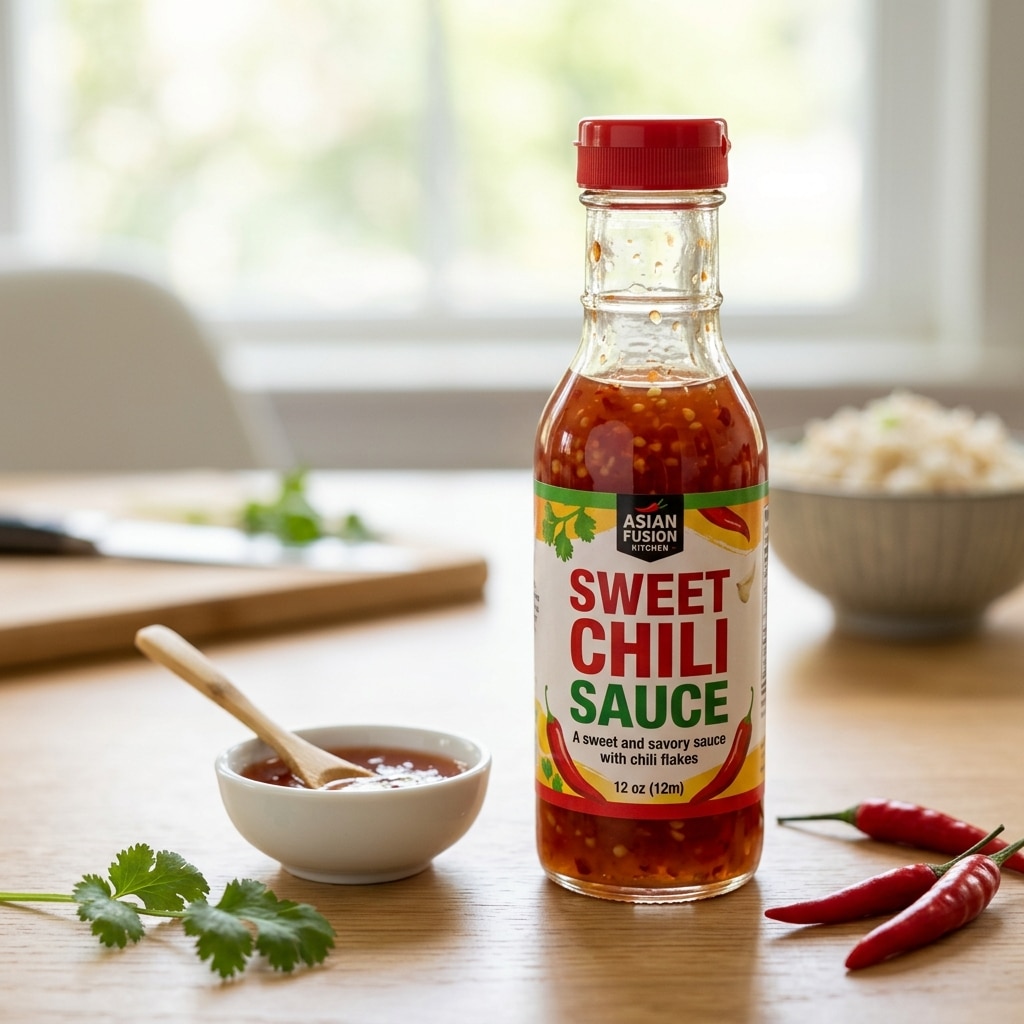
Drawing clear inspiration from Southeast Asian street-food culture, this vibrant glaze delivers a beautifully balanced punch of sugar and mild heat. It creates an incredibly beautiful, glass-like coating that shimmers under party lighting. The addition of fresh, live citrus juice is the key to elevating this profile above standard store-bought alternative bottles.
This medium-high viscosity glaze features bright fructose and citrus tang with a mild warming kick that sits comfortably at a 2 out of 5 for heat. To maximize its glass-like appeal, pair it with double-fried, extra-crunchy wings.
The Ingredient Blueprint
1/2 cup High-Quality Thai Sweet Chili Sauce Base
2 tbsp Wildflower Honey
1 tbsp Tamari or Traditional Soy Sauce
1 tbsp Freshly Squeezed Lime Juice (never use bottled concentrate)
1/2 tsp Crushed Red Pepper Flakes (easily adjusted to taste)
Step-by-Step Culinary Execution
This particular recipe requires absolutely no stovetop cooking, preserving the volatile, bright oils found inside the fresh lime juice.
In a large glass or ceramic mixing bowl, combine the Thai sweet chili base, wildflower honey, soy sauce, and red pepper flakes.
Use a small wire whisk to briskly whip the ingredients together until the honey completely incorporates into the chili gel.
Squeeze in the fresh lime juice at the very end, giving it one final stir to homogenize the mixture. Let it rest at room temperature while the wings finish cooking.
5. Asian Sesame
6 Must-Try Wing Sauce Recipes: The Ultimate Guide to Game-Day Flavor (2026) 11
The Rich, Deep-Umami Restaurant-Grade Glaze
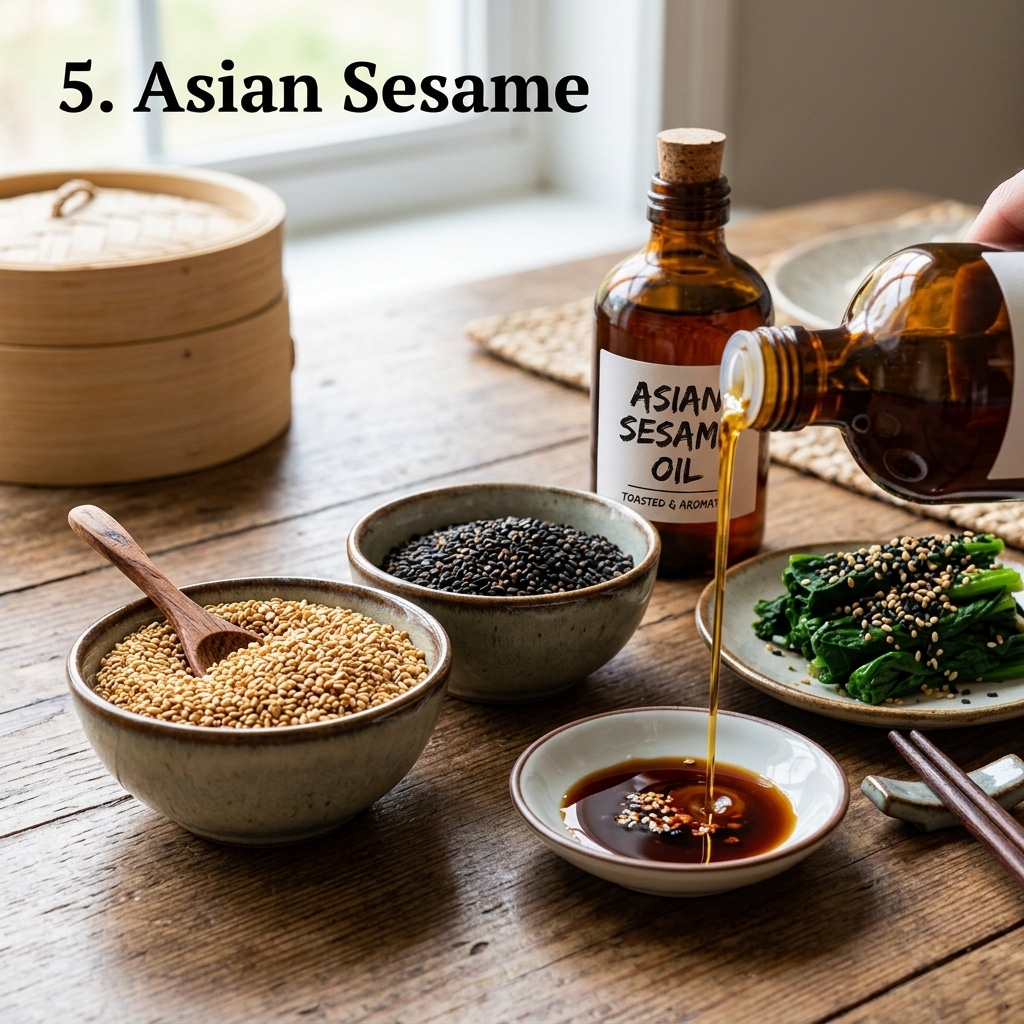
For a profile loaded with rich, complex savory layers, this recipe marries the deep notes of fermented hoisin with the earthy punch of toasted sesame oil and the clean bite of fresh ginger. It creates a thick, opaque glaze that mirrors the finest artisan Asian takeout styles.
This dense lacquer ranks low at a 1 out of 5 for heat, focusing instead on earthy sesame, fermented bean sweetness, and a sharp ginger zing. It serves as an incredible pairing for boneless chicken bites or ultra-crisp wingettes.
The Ingredient Blueprint
1/4 cup Low-Sodium Soy Sauce
2 tbsp Premium Hoisin Sauce
1 tbsp Dark Brown Sugar or Honey
1 tsp Pure Toasted Sesame Oil (highly concentrated; use precisely)
1 tsp Fresh Ginger Root, grated finely on a microplane
1 tsp Whole White Sesame Seeds (toasted)
Step-by-Step Culinary Execution
Whisk the low-sodium soy sauce, hoisin sauce, brown sugar, and freshly grated ginger together inside a small saucepan.
Place over medium heat and bring to a slow, controlled bubble. Cook for roughly 3 minutes, stirring constantly as the brown sugar liquefies and cooks down into a rich syrup.
Remove the pan entirely from the stovetop heat.
Pour in the toasted sesame oil after the pan has left the flame. Sesame oil is exceptionally sensitive to heat; if subjected to direct, boiling temperatures, its beautiful, nutty aromatics will break down and evaporate, leaving behind a dull flavor. Save your white sesame seeds for the final presentation step.
6. Cajun Butter
6 Must-Try Wing Sauce Recipes: The Ultimate Guide to Game-Day Flavor (2026) 12
The Bold, Rustic Warmth of the Southern Bayou
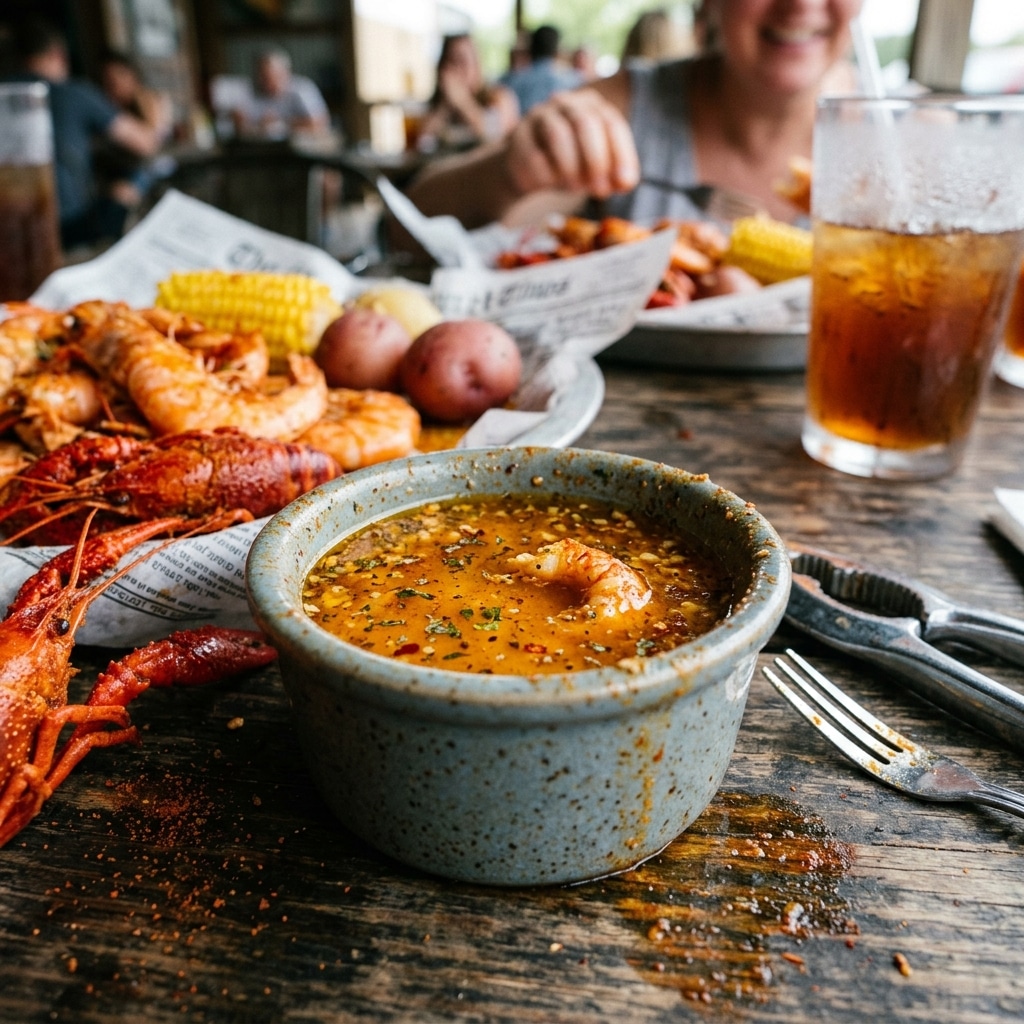
If your party guests love bold seasoning but are looking for a break from classic vinegar-forward buffalo flavor, Cajun Butter is an exceptional solution. Rather than relying on fresh chilis or hot liquids, this recipe uses hot butter fat to dissolve and extract flavor from a rustic, dried spice blend.
This golden oil-based coating yields a warm, lingering spice flavor that sits at a 3 out of 5 on the heat spectrum. It highlights earthy paprika, deep garlic, and dried herbs, making it an excellent match for slow-smoked or heavy oven-roasted wings.
The Ingredient Blueprint
1/3 cup Unsalted Butter
1 tbsp Premium Low-Sodium Cajun Seasoning Blend
1/2 tsp Garlic Powder
1/2 tsp Smoked Sweet Paprika
1/4 tsp Freshly Cracked Coarse Black Pepper
Step-by-Step Culinary Execution
Melt your unsalted butter in a small saucepan over low heat until it is entirely liquid.
Pour in the Cajun seasoning blend, garlic powder, smoked paprika, and black pepper. Whisk vigorously for roughly 30 seconds until the spices are fully distributed.
Turn off the heat entirely, but leave the saucepan sitting on the warm burner.
Let the mixture rest undisturbed for 5 minutes before applying it to your chicken. This resting period allows the dry herbs and ground peppers to absorb the warm liquid fat, softening their texture and opening up their full flavor potential across the entire batch of wings.
Pro Kitchen Techniques: The Execution Secrets of the Masters
An elite sauce is only half the battle. If your tossing and application techniques are flawed, you run the risk of ruining hours of careful kitchen work. To ensure your wings look and taste like they came out of a professional commercial kitchen, apply these advanced kitchen methods.
1. The Stainless Mixing Bowl Method
Never, under any circumstances, place naked wings onto a flat serving plate and pour your sauce over the top. This amateur approach results in some wings being completely drenched while others stay entirely dry, all while turning the bottom layer soggy.
Instead, reach for a large, deep stainless steel mixing bowl. Drop your scorching-hot wings directly into the bottom of the dry metal bowl. Drizzle your warm sauce around the inside upper perimeter walls of the bowl rather than dumping it directly on top of the meat.
Grab the base of the bowl with your dominant hand, and use a smooth, lifting wrist gesture to flip the chicken upwards and over. This forces the wings to slide against the sauced walls, guaranteeing an even coat down to the millimeter without tearing the crispy skin.
2. The Core Temperature Principle
For any sauce that relies heavily on butter or animal fats (such as our Classic Buffalo, Garlic Parmesan, or Cajun Butter), managing your temperatures is vital. Your sauce should be warm to the touch when it hits the chicken.
If you toss cold sauce with hot wings, the cold temperature will instantly solidify the butter fats upon contact. This creates a thick, chalky, greasy coating that masks the crispiness of the skin. Conversely, ensuring your wings go straight from the hot fryer or oven into a pre-warmed metal bowl guarantees the glaze flows smoothly into every single fold of the chicken.
3. Structural Garnishing
A garnish is far more than a decorative afterthought; it provides crucial visual contrast and an initial burst of aroma that prepares the palate.
For Buffalo and Cajun styles, pair them with clean, watery textures like minced chives or tender inner celery leaves to cut through the sharp vinegar. When presenting sweet glazes like BBQ or Asian Sesame, top them with a contrasting crunch like toasted sesame seeds or fried shallots to break up the sticky mouthfeel. For Garlic Parmesan, finish with a shower of fresh flat-leaf parsley to introduce a bright element that balances the heavy, rich cheese.
Advanced Kitchen Hack: The Baking Powder Science Trick
If you do not own a deep fryer or an air fryer, you can still achieve deep-fried crispiness right inside a standard residential oven by leveraging an incredible scientific principle.
When you coat raw, dry chicken skin in a tiny amount of aluminum-free baking powder (use exactly 1 teaspoon per pound of meat, combined with your kosher salt), you alter the surface chemistry of the chicken.
Baking powder is highly alkaline. When applied to the skin, it raises the pH levels of the surface proteins. This chemical shift breaks down the tight peptide bonds within the skin, allowing it to blister, puff up, and form thousands of microscopic bubbles.
When baked on a wire rack at an initial low temperature of 250°F for 30 minutes (which slowly melts out the interior fat), followed by a high-heat finish at 425°F for 30 minutes, these tiny surface bubbles crisp up perfectly. This creates a shattered, airy crust that rivals any deep fryer on earth—providing the ultimate canvas for your six newly mastered sauces.