The Universal Craving for the Perfect Sticky Glaze
What is a True Master Barbecue Sauce?
The Flavor Science: Balancing the Five Pillars of BBQ
The Raw Ingredient Architecture
How to Make BBQ Sauce: Step-by-Step Production Guide
Creative Regional Flavor Variations
Common Mistakes: Troubleshooting Scorched or Thin Sauces
The Ultimate Pairing Guide: From Smoked Brisket to Crispy Wings
Frequently Asked Questions (FAQ)
Official Recipe Card: Nova Recipes Master Homemade BBQ Sauce
The Universal Craving for the Perfect Sticky Glaze
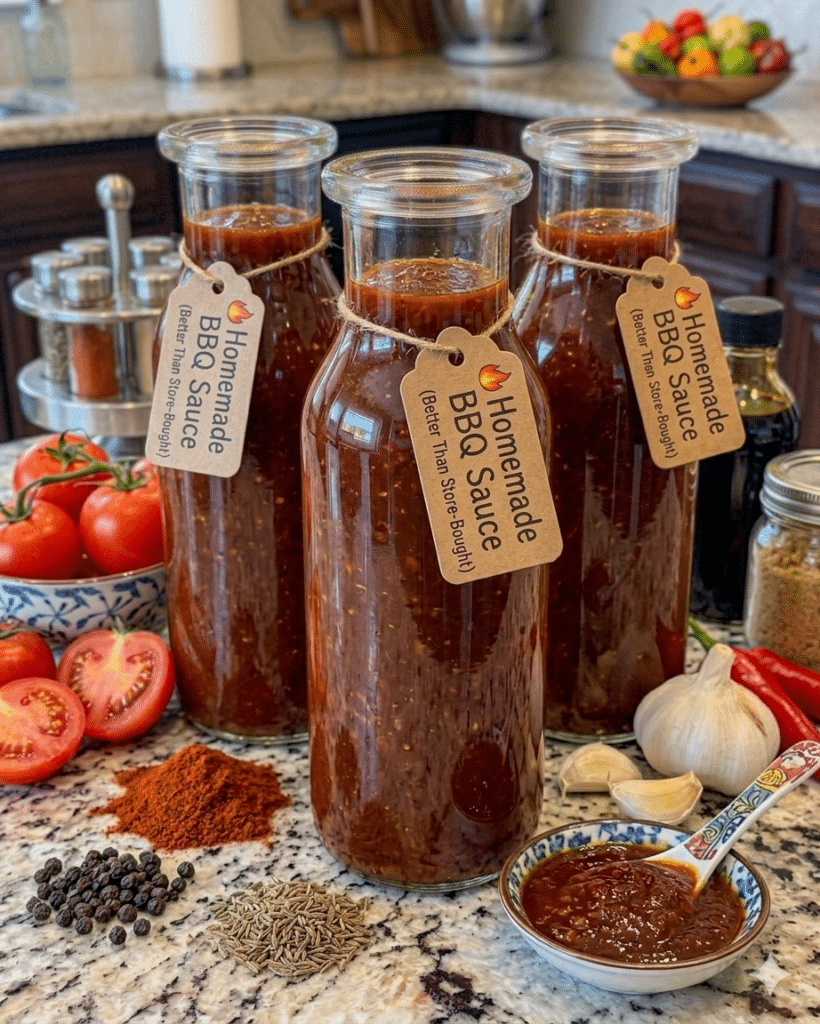
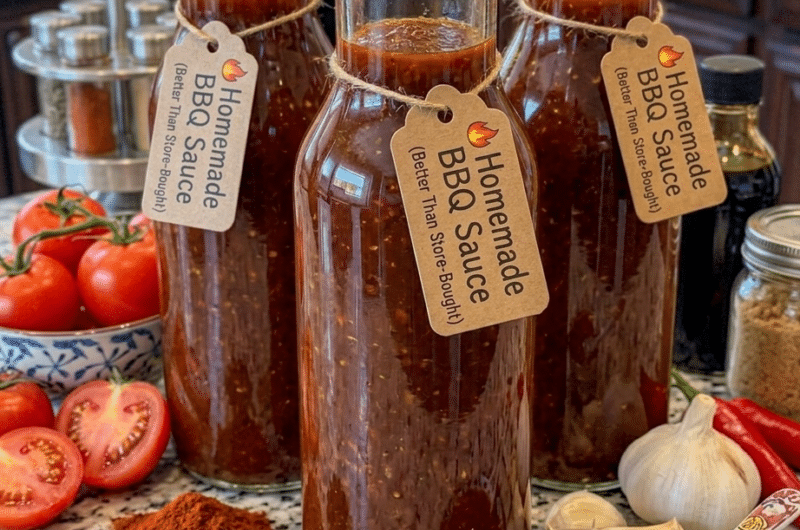
We have all stood in the condiment aisle of the grocery store, lifting up plastic bottles of commercial barbecue sauce only to find the exact same story on every ingredient label: high-fructose corn syrup listed as the very first component, closely followed by artificial liquid smoke, sodium overloads, and chemical thickeners. When that mass-produced stuff hits hot charcoal or oven heat, it burns into a bitter, blackened crust instead of caramelizing into a rich, savory glaze. If you want a condiment that delivers a beautiful balance of deep brown sugar sweetness, punchy vinegar tang, and a lingering wood-smoke finish, mastering this homemade bbq sauce recipe from scratch is your ultimate kitchen upgrade.
There is an undeniable sense of pride that comes with serving a completely scratch-made barbecue sauce at a backyard cookout or family dinner. Instead of masking your hard work with a one-note layer of industrial sweetness, this formula acts as a high-definition flavor amplifier for your favorite proteins. It takes less than 20 minutes from start to finish, uses everyday pantry staples, and yields a glossy, thick texture that clings beautifully to whatever you are grilling, smoking, or roasting.
What is a True Master Barbecue Sauce?
A classic master homemade bbq sauce recipe is a smooth, simmered, tomato-based condiment that brings together dark sugars, dynamic vinegars, savory aromatics, and warming spices. While regional styles across the United States argue endlessly over the inclusion of tomatoes versus mustard or vinegar bases, this specific “master” style represents the peak evolution of a Kansas City-style sauce—celebrated worldwide for its thick, velvety, pourable body and complex sweet-and-smoky profile.
                   [ Tomato Paste / Ketchup Base ]
                                 |
        +------------------------+------------------------+
        |                        |                        |
[ Deep Sweetness ]      [ Bright Acidity ]       [ Savory Smoke Spices ]
- Dark Brown Sugar      - Apple Cider Vinegar    - Smoked Paprika / Garlic
- Rich Molasses         - Clean Citric Acids     - Sharp Worcestershire
Unlike thin mopping liquids or heavy dipping pastes, a premium scratch-made barbecue sauce is engineered to serve a dual purpose. It functions flawlessly as a tabletop dipping asset for french fries and chicken tenders, while simultaneously holding up under direct heat as an interior basting glaze that caramelizes over open flames without breaking or separating.
The Flavor Science: Balancing the Five Pillars of BBQ
The addictive nature of a phenomenal barbecue sauce relies entirely on a sensory phenomenon known as flavor layering. Your palate possesses specific receptors designed to detect sweetness, sourness, saltiness, bitterness, and umami (savory depth). This homemade bbq sauce recipe achieves its legendary status by targeting all five of these flavor profiles simultaneously, preventing any single ingredient from dominating the mix.
The structural foundation relies heavily on the reaction between fructose (found in brown sugar and molasses) and acetic acid (present in apple cider vinegar). When heated gently, the sugars break down and bond with the acid, creating a glossy syrup that coats the mouth uniformly.
To anchor that intense sweet-and-tart dynamic, we introduce umami via Worcestershire sauce and garlic powder. The salt binds to the water molecules in the tomato base, concentrating the natural volatile aromas of the spices and ensuring that the sauce tastes remarkably robust, even after cooling completely.
The Raw Ingredient Architecture
To achieve a perfectly balanced flavor profile, every single ingredient must serve a specific structural purpose. Avoid substitutions wherever possible to guarantee the best texture and shelf-life.
The Tomato Base
Premium Tomato Ketchup: Provides a pre-emulsified, consistent baseline of tomato solids, gentle sweetness, and built-in acidity that keeps the sauce perfectly smooth.
The Sweet Layer
Dark Brown Sugar: Introduces a rich, deep sweetness with natural caramel undertones.
Unsulfured Molasses: The secret weapon of master pitmasters. Molasses provides a slight, pleasant bitterness and a deep mahogany color that defines authentic barbecue styles.
The Acidic Tang
Apple Cider Vinegar: Adds a fruity, sharp, and lifting acidity that cuts right through heavy meat fats and balances the heavy sugars.
The Savory Spices and Umami Anchors
Worcestershire Sauce: Infuses the base with a massive wallop of fermented savory depth (umami).
Smoked Paprika: Provides a beautiful, natural wood-smoke aroma and a rich amber hue without resorting to artificial liquid smoke extracts.
Garlic & Onion Powder: These aromatics integrate smoothly into the liquid base without creating a gritty or chunky texture.
Ground Black Pepper & Cayenne Chili: Cayenne introduces a very subtle, warm back-end simmer that wakes up the tongue without making the sauce overly spicy.
How to Make BBQ Sauce: Step-by-Step Production Guide
Phase 1: The Cold Whisk and Integration
Before turning on any heat, grab a medium, non-reactive stainless steel saucepan. Combine your ketchup, dark brown sugar, unsulfured molasses, apple cider vinegar, Worcestershire sauce, smoked paprika, garlic powder, onion powder, sea salt, black pepper, and cayenne pepper. Use a wire whisk to stir the ingredients together vigorously for about 60 seconds. You want to make sure the dry spices are fully dissolved and the thick molasses is perfectly incorporated into the vinegar and ketchup before thermal exposure begins.
Phase 2: The Gentle Simmer and Reduction
Place the saucepan over medium heat on your stove top. Stir the mixture occasionally until you see small bubbles start to break the surface uniformly. As soon as the sauce reaches a low boil, immediately drop the heat down to low. Pop a lid on the pan, leaving it slightly cracked to let a small amount of steam escape. Let the sauce simmer gently for 15 minutes.
Phase 3: Monitoring Caramelization and Viscosity
As the sauce simmers, the natural sugars will begin to cook down, transforming the bright red ketchup base into a gorgeous, dark mahogany syrup. Stir the pan every 3 to 4 minutes, scraping the bottom and corners with a heat-resistant rubber spatula to ensure the sugars do not stick and burn. You are looking for the sauce to thicken slightly until it easily coats the back of a wooden spoon.
Phase 4: Cooling and Thermal Stabilizing
Remove the saucepan from the stove entirely. The sauce will look slightly loose while boiling hot, but it will naturally thicken into a rich, velvety consistency as it drops to room temperature. Let it cool uncovered in the pan for 20 to 30 minutes before tasting for final adjustments. Transfer the finished glaze into clean, sterilized glass jars or squeeze bottles for storage.
Creative Regional Flavor Variations
The beauty of a master homemade bbq sauce recipe is its infinite adaptability. Once you master the basic sweet-and-smoky baseline, you can easily steer the profile toward other legendary regional styles.
The Sweet Fruit Twist: If you want an incredible, fruit-forward upgrade that pairs beautifully with smoked pork loin or ribs, blend fresh berries into your base. See how to execute this style perfectly with my glossy Sweet Blackberry BBQ Sauce.
The Tropical Sweet-Heat Variant: For a modern “swicy” profile that shines on game-day wings or fish tacos, swap out a portion of the sugar for tropical elements. Discover the process in my vibrant Pineapple Hot Sauce Recipe or my classic Mango Habanero Sauce Recipe.
The Ultimate Sticky Glaze Upgrade: If you want a thick, sticky profile designed specifically for brushing onto chicken during the last 5 minutes of grilling, check out the flavor balance inside my ultra-popular Cherry Habanero Glaze Recipe Sweet Spicy Sticky Swicy Sauce.
The Texas-Style Savory Boost: Drop the brown sugar volume by half, double the black pepper, and stir in a half cup of strong, black drip coffee. This creates a thinner, aggressively savory mopping sauce designed to stand up to heavy beef brisket.
Common Mistakes: Troubleshooting Scorched or Thin Sauces
While learning how to make bbq sauce is incredibly straightforward, sugar-heavy liquids require a careful touch to prevent common kitchen issues.
1. The Sauce Burns or Scorches on the Bottom of the Pan
Because this sauce contains a high concentration of dark brown sugar and molasses, it can easily scorch if your stove burner is set too high. Burnt sugar introduces a bitter, ash-like taste that cannot be masked. Always stick to a true low simmer, and make sure to use a heavy-bottomed pan that distributes heat evenly across the entire surface.
2. The Finished Sauce Feels Too Thin or Watery
If your sauce runs right off your ribs or chicken without sticking, it simply hasn’t reduced enough. Place the pan back over low heat without a lid and let it simmer for an extra 5 to 10 minutes to evaporate excess water content. Remember, the sauce will always thicken significantly more as it cools down to room temperature.
3. The Acidity is Aggressively Sharp or Sour
If the vinegar bite hits the back of your throat too hard right after simmering, the sauce simply needs to rest. Pour it into a glass jar and let it sit in your refrigerator for 24 to 48 hours. This aging period allows the sugars, tomato solids, and vinegar molecules to fully interlock, resulting in a much smoother, rounded finish.
The Ultimate Pairing Guide: From Smoked Brisket to Crispy Wings
This versatile master homemade bbq sauce recipe serves as a phenomenal companion for an incredibly wide array of cookout classics and weeknight proteins.
Brush this sauce generously onto pork ribs or pulled pork shoulder during the absolute final 5 to 10 minutes of cooking. The ambient heat will caramelize the molasses into a sticky, professional-grade crust. For an alternative table setup, serve it alongside a platter of seafood paired with my vibrant Best Fish Taco Sauce Recipe to offer your guests completely different flavor directions.
2. Game-Day Chicken Wings
Toss hot, crispy, air-fried or baked chicken wings directly into a bowl of this warm sauce for an instant party classic. If you are constructing a diverse wing station for a big event, feature this master glaze side-by-side with my complete collection of Wing Sauce Recipes or my decadent Homemade Cajun Honey Butter Wings Sauce.
3. Backyard Burgers and Dipping Spreads
Use this sauce as a rich baseline spread for classic bacon cheeseburgers, or use it as a premium dipping companion for fresh french fries. Its deep, smoky sweetness provides a spectacular counter-element when paired next to an ultra-creamy appetizer like my legendary Buffalo Chicken Dip.
Frequently Asked Questions
How long does this homemade bbq sauce last in the refrigerator?
Stored in a clean, airtight glass bottle or jar, this sauce will easily remain fresh for up to 1 month in the fridge. The natural acidity of the apple cider vinegar combined with the salt acts as an exceptional natural preservative.
Can I substitute the brown sugar with honey or maple syrup?
Yes! You can swap out the brown sugar for an equal volume of raw honey or pure maple syrup. This will alter the flavor profile slightly, yielding a brighter, distinct sweetness that pairs exceptionally well with grilled poultry or pork chops.
Is this barbecue sauce recipe gluten-free?
To keep this recipe 100% gluten-free, you must verify that your brand of Worcestershire sauce is certified gluten-free (many traditional variations contain barley malt vinegar). The remaining whole ingredients are naturally gluten-free.
Can I use fresh onions and garlic instead of powder?
While fresh aromatics taste incredible, using them will turn this smooth glaze into a chunky salsa-like consistency. If you want to use fresh garlic and onions, you must sauté them in oil until soft, simmer the sauce, and then process the entire mixture in a high-powered blender until completely smooth.
Why do you add molasses to the sauce?
Molasses is the key component that transforms standard tomato sauce into authentic, competition-style barbecue sauce. It provides that signature deep mahogany color, a thick sticky body, and a complex, slightly bitter baseline that keeps the white sugars from tasting flat or cheap.
Did you whip up this master scratch-made batch? I want to see your ultimate backyard grill setup! Take a photo of your glossy glazed ribs or your wing-tossing spread and tag @novarecipes on Instagram so I can showcase your culinary skills to our global flavor community!
Homemade BBQ Sauce Recipe: The Ultimate Sweet and Smoky Barbecue Sauce
Recipe by StephanieCourse: Homemade Sauces, Dips u0026amp; Marinades
Servings
4
servings
Prep time
30
minutes
Cooking time
40
minutes
Calories
300
kcal
Ingredients
* 1 1/2 cups premium tomato ketchup * 1/2 cup dark brown sugar, packed * 2 tbsp unsulfured molasses * 1/3 cup apple cider vinegar * 1 tbsp Worcestershire sauce * 1 tsp smoked paprika * 1/2 tsp garlic powder * 1/2 tsp onion powder * 1/2 tsp coarse sea salt * 1/2 tsp ground black pepper * 1/4 tsp cayenne pepper (optional for gentle heat)
Directions
1. COMBINE AND WHISK In a medium, non-reactive stainless steel saucepan, combine the ketchup, dark brown sugar, molasses, apple cider vinegar, Worcestershire sauce, and all spices. Whisk vigorously off the heat until smooth and uniform.
2. BRING TO A SIMMER Place the saucepan over medium heat. Bring the mixture to a gentle boil, stirring frequently to ensure the heavy sugars dissolve completely and do not stick to the bottom.
3. REDUCE AND REDUCE Immediately drop the heat to low. Cover the pan loosely with a cracked lid and simmer gently for 15 minutes. Stir every few minutes with a rubber spatula, allowing the sauce to darken into a rich mahogany glaze.
4. COOL AND BOTTLE Remove from the heat source. Let the sauce cool uncovered at room temperature for 20 to 30 minutes, allowing it to thicken completely. Pour into sterilized glass jars and store inside the refrigerator.