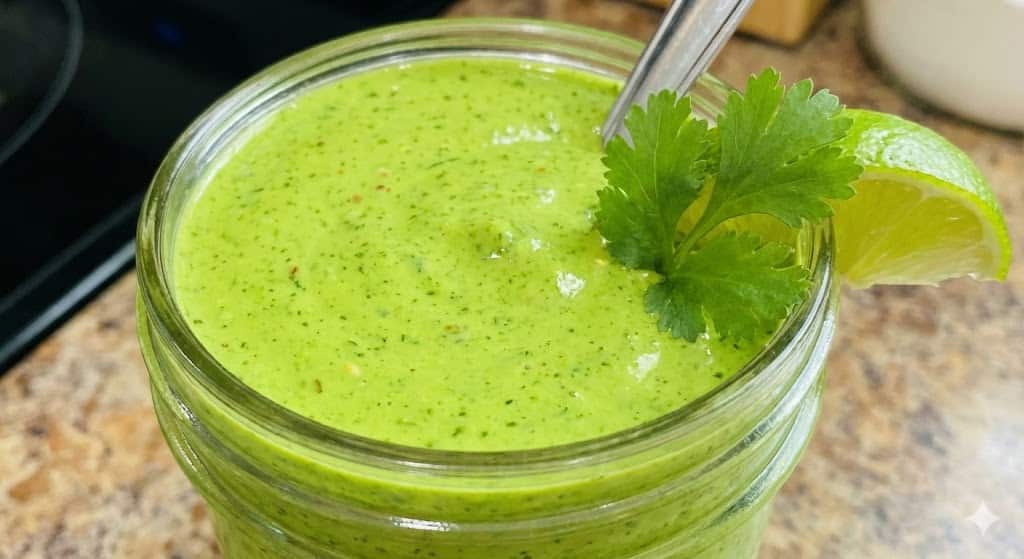
If there is one “secret weapon” sauce that every home cook needs in their arsenal, it is Creamy Cilantro Chimichurri. While we all know and love the traditional Argentinian chimichurri—a loose, oily vinaigrette used primarily for steak—this creamy variation takes the concept and turns it into a multi-purpose flavor bomb. By emulsifying the herbaceous base with a creamy element (like Greek yogurt or mayonnaise) and spiking it with fresh lime and jalapeño, you create a sauce that is velvety, punchy, and utterly crave-able.
It bridges the gap between a marinade, a dip, and a dressing. Whether you are drizzling it over a perfectly charred skirt steak, using it as a dip for crispy yucca fries, or slathering it onto a grilled chicken sandwich, this sauce demands attention.
In this ultimate guide, we are going to dive deep into the science of the perfect green sauce, explore its origins and modern evolution, break down exactly how to source the best ingredients, and provide a fool-proof method to ensure your sauce is vibrant, stable, and delicious every single time.
Part 1: History & Evolution
From the Pampas to the Blender
To understand this creamy variation, we must first respect the original. Traditional Chimichurri is an uncooked sauce from Argentina and Uruguay. It is the lifeblood of the asado (barbecue). Legend often attributes the name to a mispronunciation of “Jimmy McCurry,” an Irish immigrant, or “Jimmy Curry,” an English meat trader, but linguists suggest it more likely comes from the Basque term tximitxurri, loosely translating to “a mixture of several things in no particular order.”
Classic chimichurri is rustic. It is a loose suspension of finely chopped parsley, minced garlic, dried oregano, red pepper flakes, oil, and vinegar. It is designed to cut through the rich fat of grass-fed beef.
The “Creamy” Evolution
So, where did the creamy version come from? This variation is a result of modern culinary fusion, heavily influenced by Peruvian and Mexican cuisines.
- Peruvian Influence: If you have ever been to a charcoal chicken spot (Pollo a la Brasa), you know the famous “Aji Verde” or green sauce. That sauce uses spicy peppers (aji amarillo) and mayonnaise or crema to create a dip.
- Mexican Influence: The use of fresh cilantro, lime, and jalapeño is distinctly Mexican.
Our Creamy Cilantro Chimichurri marries these worlds. It keeps the vinegar-garlic backbone of the Argentine original but adopts the creamy texture of the Peruvian sauce and the bright, citrusy profile of Mexican salsa. The result is a “super-sauce” that appeals to almost every palate.
Part 2: The Ingredient Science
A sauce with so few ingredients relies entirely on the quality and chemistry of those ingredients. Let’s break down what you need and why you need it.
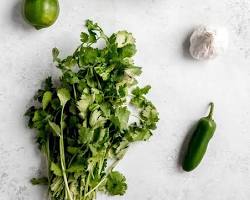
1. The Green Base: Cilantro & Parsley
This recipe uses a blend of herbs for balance.
- Cilantro (Coriander): This provides the high notes—citrusy, floral, and slightly peppery. Pro Tip: Use the stems! Cilantro stems are packed with flavor and have a great crunch. Since we are blending the sauce, there is no need to pick the leaves individually. Just trim the woody ends.
- Flat-Leaf Parsley: Also known as Italian parsley. Do not use curly parsley, which is tough and lacks flavor. Parsley provides a grassy, bitter earthiness that grounds the bright cilantro. It gives the sauce its deep green color and “chimichurri” identity.
2. The Acid: Red Wine Vinegar & Lime
Acid is what makes this sauce “zesty.” We use a two-pronged approach:
- Red Wine Vinegar: This is the traditional choice. It has a fermented, fruity tang that lingers on the palate.
- Fresh Lime Juice: This provides immediate, sharp acidity (citric acid). It brightens the herbs and prevents the sauce from tasting “heavy.”
3. The Heat: Jalapeño
Capsaicin, the compound that makes peppers hot, is fat-soluble. Because this sauce contains oil and dairy, the heat will be mellowed out.
- Mild: Remove all seeds and the white membrane (placenta) inside the pepper.
- Spicy: Throw the whole pepper in, seeds and all.
- Substitutions: You can use serrano peppers for a sharper bite, or a pinch of cayenne if you don’t have fresh peppers.
4. The Aromatics: Fresh Garlic
You must use fresh garlic cloves. Jarred minced garlic contains preservatives (usually phosphoric acid) that give raw sauces a metallic, artificial taste. Because the garlic is raw, it will be spicy and pungent. The acid in the vinegar helps to “cure” it slightly, taking the edge off.
5. The Emulsifiers: Oil & Cream
- Extra Virgin Olive Oil: Adds richness and distinct flavor.
-
Greek Yogurt or Mayonnaise: This is the game-changer.
- Greek Yogurt adds tang and makes the sauce lighter and lower in calories.
- Mayonnaise creates a glossy, stable emulsion that feels richer in the mouth.
- The Hybrid: For the best texture, use half yogurt and half mayo.
Part 3: Equipment—To Blend or Not to Blend?
How you process your ingredients changes the texture and flavor of the sauce.
1. The Food Processor (Recommended)
This is the gold standard for chimichurri. A food processor chops ingredients rather than crushing them. It allows you to maintain tiny bits of herbs and garlic, giving the sauce texture and body. It creates a sauce that is green and speckled, rather than a uniform pastel paste.
2. The High-Speed Blender (Use with Caution)
Blenders like Vitamix are powerful—sometimes too powerful.
- The Risk: If you blend olive oil at high speed, the blades shear the polyphenols in the oil, causing them to release bitter compounds. Your sauce can turn incredibly bitter in seconds.
- The Fix: If using a blender, blend the herbs, garlic, vinegar, and yogurt first. Then, turn the blender to its lowest speed and slowly drizzle in the oil, or stir the oil in by hand at the end.
3. Hand Chopping (The Traditionalist)
If you want a rustic texture, you can chop everything by hand and whisk the yogurt and oil in a bowl. This takes more time but guarantees zero bitterness and a beautiful, chunky texture.
Part 4: Step-by-Step Method
Follow this workflow to ensure vibrant color and perfect consistency.
Step 1: The “Mince” Phase
Action: Add garlic cloves, jalapeño (sliced), red wine vinegar, and lime juice to the food processor bowl. Pulse 5-10 times.
Why: You want the hard ingredients (garlic/pepper) to be minced before you add the herbs. If you add everything at once, you will end up with big chunks of garlic hidden in the sauce. The vinegar also starts to pickle the garlic immediately.
Step 2: The Herb Drop
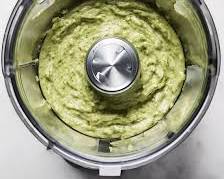
Action: Add the cilantro, parsley, dried oregano, salt, and pepper. Pulse—do not hold the button down!—until the herbs are broken down into confetti-sized pieces.
Tip: You may need to stop and scrape down the sides of the bowl with a spatula to ensure no big leaves are stuck to the glass.
Step 3: The Emulsion
Action: With the processor running on low (or pulsing steadily), slowly stream in the olive oil.
Why: Adding the oil slowly helps it suspend in the mixture.
Step 4: The Cream Finish
Action: Add the Greek yogurt (or mayonnaise). Pulse 3-4 times just to combine.
Critical: Do not over-process at this stage. Over-working dairy can cause it to break or become watery. You just want it mixed.
Part 5: Dietary Adaptations
This sauce is incredibly versatile and fits into almost any diet plan.
- Keto / Low Carb: This recipe is naturally keto-friendly. To increase the fat macros, use full-fat mayonnaise instead of yogurt.
- Whole30 / Paleo: Use a compliant mayonnaise (made with avocado oil) or substitute the dairy entirely with half a ripe avocado. The avocado provides creamy fats without processed ingredients.
- Vegan / Plant-Based: Swap the yogurt/mayo for unsweetened plant-based yogurt (coconut or almond) or, again, use avocado. You can also use a vegan mayo.
- Nut-Free: This recipe is naturally nut-free.
Part 6: Troubleshooting Your Sauce
Even with simple recipes, things can go wrong. Here is how to fix them.
Problem: The sauce is too runny.
- Cause: You likely washed your herbs but didn’t dry them enough. Excess water kills the emulsion.
- Fix: Add a thickener. Half an avocado, a boiled egg yolk, or a tablespoon of extra thick mayo will tighten it right up.
Problem: The sauce turned brown.
- Cause: Oxidation. When cut herbs are exposed to air, they brown.
- Fix: The lime juice helps prevent this, but if you store it, press a piece of plastic wrap directly onto the surface of the sauce to limit air contact.
Problem: It tastes bitter.
- Cause: Over-blended olive oil (as mentioned in the equipment section).
- Fix: It is hard to fix bitterness once it’s there. You can try masking it with a little sweetness (honey or maple syrup) or more salt, but prevention is key.
Part 7: The Ultimate Pairing Guide
You have made the sauce. Now, how do you eat it? Here are the top ways to serve Creamy Chimichurri.
1. The Steakhouse Dinner
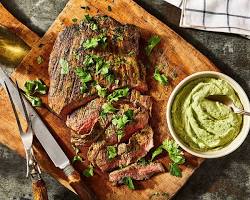
Grill a skirt steak, flank steak, or ribeye. Slice it against the grain. Serve the sauce on the side or drizzled over the top. The cooling creaminess contrasts perfectly with the hot, charred beef.
2. Pollo a la Brasa
Marinate chicken thighs in cumin, paprika, and garlic. Roast them until the skin is crispy. This sauce is nearly identical to the dipping sauces found in Peruvian chicken restaurants.
3. Fish Tacos
This is the perfect taco sauce. Fried cod, grilled mahi-mahi, or shrimp tacos all benefit from the acid and cream. It cuts through the grease of fried fish and complements the delicate flavor of grilled seafood.
4. Roasted Vegetables
Toss cauliflower, potatoes, or sweet potatoes in olive oil and roast. Toss them in the sauce while they are still warm. The heat opens up the garlic flavor in the sauce.
5. The Sandwich Spread
Stop using plain mayo. Spread this on a turkey club, a burger, or a grilled cheese sandwich for an instant gourmet upgrade.
Part 8: Storage & FAQ
How long does it last?
Because it contains fresh herbs and raw garlic, this sauce is best eaten fresh. However, it will keep in an airtight container in the fridge for 5 to 7 days. The flavor often improves on day 2 as the garlic melds with the herbs.
Can I freeze it?
We do not recommend freezing the creamy version. Dairy separates when thawed, resulting in a grainy texture. Hack: Make the base (herbs, garlic, oil, vinegar) and freeze that in ice cube trays. When you want sauce, thaw a cube and whisk in the yogurt/mayo fresh.
Is it spicy?
Only if you want it to be. The heat comes entirely from the jalapeño seeds. Remove them for a mild, family-friendly sauce.
Recipe Card: Creamy Cilantro Chimichurri
Prep Time: 5 mins | Total Time: 5 mins | Yields: 1.5 Cups | Calories: ~45 per tbsp
Ingredients
- 1 cup fresh cilantro (packed, tender stems included)
- 1/2 cup fresh flat-leaf parsley (packed)
- 3-4 cloves fresh garlic, peeled
- 1/2 jalapeño pepper (seeds removed for mild, kept for hot)
- 1/4 cup extra virgin olive oil
- 2 tbsp red wine vinegar
- 1 tbsp fresh lime juice
- 1/2 cup plain Greek yogurt (or mayonnaise for richness)
- 1/2 tsp salt (plus more to taste)
- 1/2 tsp dried oregano
- 1/4 tsp black pepper
Instructions
- Prep: Wash herbs and dry them thoroughly. Wet herbs = watery sauce.
- Mince: In a food processor, combine garlic, jalapeño, vinegar, and lime juice. Pulse until finely minced.
- Chop: Add cilantro, parsley, oregano, salt, pepper, and olive oil. Pulse until herbs are broken down into small bits (do not puree into a smoothie).
- Cream: Add Greek yogurt/mayo. Pulse 3-4 times to combine.
- Serve: Taste and adjust salt. Let sit for 20 minutes before serving for best flavor.