Table of Contents
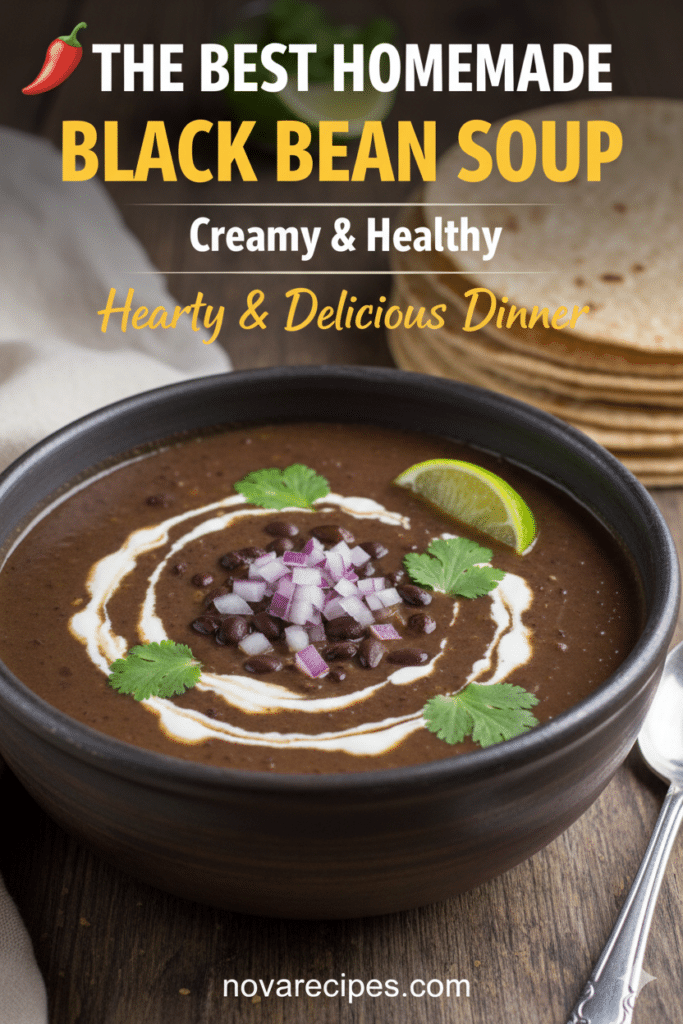
- Introduction: Why Black Bean Soup is a Global Favorite
- The Rich History & Cultural Roots of Black Bean Soup
- Nutritional Powerhouse: Health Benefits of Black Beans
-
The Ultimate Ingredient Selection
- Dried vs. Canned Beans: The Great Debate
- The Aromatics: Building a Flavor Foundation
- Spices and Smoke: Creating Depth
- Kitchen Gear & Preparation Essentials
-
Step-by-Step Culinary Instructions
- Traditional Stovetop Method
- Modern Pressure Cooker/Instant Pot Technique
- Slow Cooker “Set it and Forget it” Guide
- The Art of Texture: To Blend or Not to Blend?
- Elevating Your Soup: Garnishes & Toppings
- Global Variations: From Caribbean to Mexican Styles
- Pro Tips for the Creamiest, Most Flavorful Results
- Storage, Freezing, and Reheating Instructions
- Common Mistakes to Avoid
- Frequently Asked Questions (FAQs)
- Conclusion: Your New Staple Meal
1. Introduction: Why Black Bean Soup is a Global Favorite
Few dishes manage to be simultaneously humble and luxurious, but black bean soup pulls it off with ease. In an era where we are increasingly looking for sustainable, plant-based, and budget-friendly meals, this soup stands out as a titan of the kitchen. It is thick, velvety, and deeply savory, offering a satisfying “meaty” texture without a single ounce of animal protein—though it certainly welcomes bacon if you’re so inclined.
In this 2026 guide, we are looking at black bean soup through a modern lens: focusing on deep flavor extraction, nutritional density, and the convenience of modern kitchen technology. Whether you are a seasoned home cook or a beginner looking for a reliable “win,” this recipe provides the roadmap to a five-star result.
2. The Rich History & Cultural Roots of Black Bean Soup
The black bean (Phaseolus vulgaris) is native to the Americas, with roots stretching back over 7,000 years to ancient Mesoamerica. As a staple crop, it sustained the Mayan and Aztec civilizations long before it became a global commodity.
- Cuba: Sopa de Frijoles Negros is a national treasure. Often served with a side of fluffy white rice, the Cuban version typically avoids heavy spice in favor of a deep umami profile created by a sof rito of onions, green peppers, and garlic, finished with a dash of vinegar and sugar.
- Mexico: Mexican variations frequently incorporate dried chilies like Ancho or Guajillo. The result is a soup with a complex, smoky heat and a slightly thinner, brothy consistency compared to the pureed versions found elsewhere.
- The Caribbean: You might find hints of citrus (lime or orange) and even a splash of dry sherry to brighten the earthiness of the beans. In these regions, the soup is often as much about the “liquor” (the cooking liquid) as it is about the beans themselves.
3. Nutritional Powerhouse: Health Benefits of Black Beans
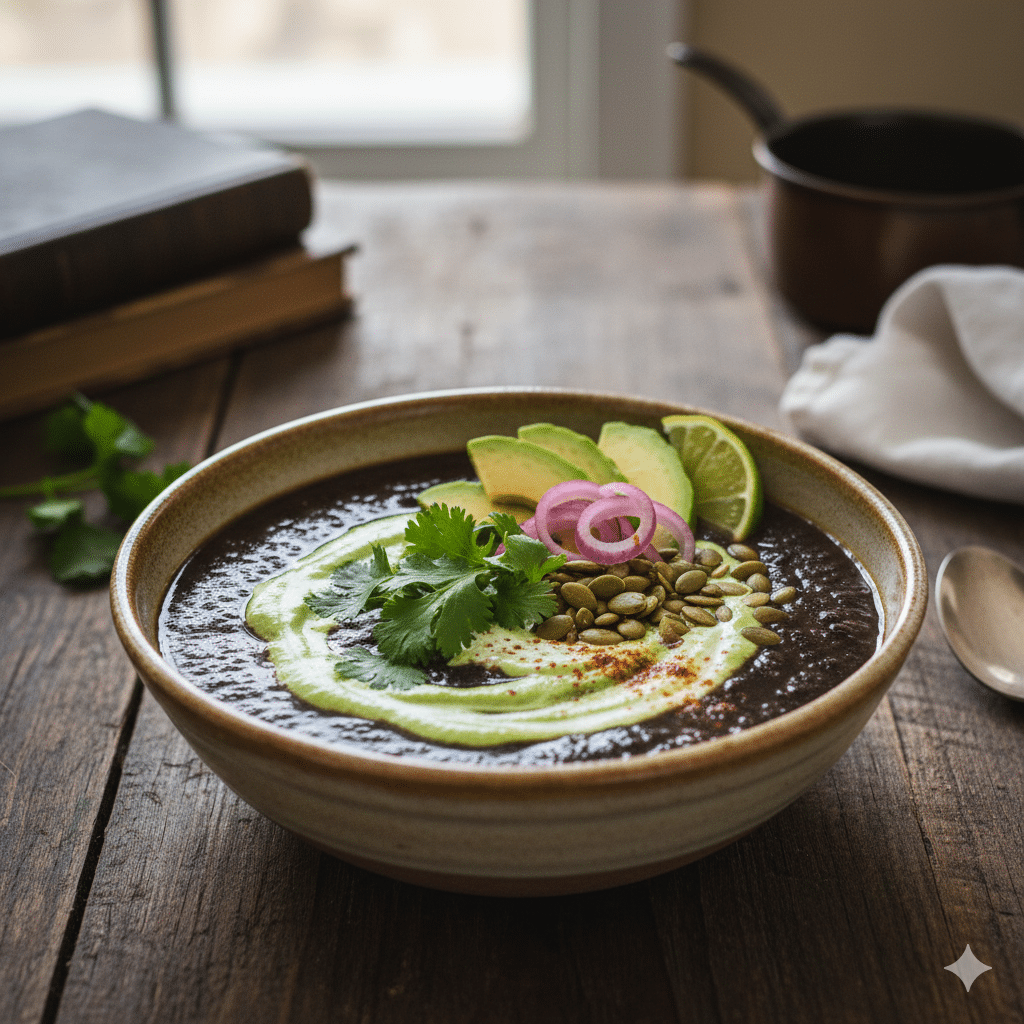
Black beans are often called a “superfood,” and in 2026, they remain one of the most cost-effective ways to boost your health.
- High Fiber Content: One cup of black beans provides about 15 grams of fiber. This high-fiber profile is essential for maintaining a healthy gut microbiome and ensuring long-lasting satiety.
- Plant-Based Protein: With approximately 15 grams of protein per cup, black beans are a primary source for vegans and vegetarians.
- Antioxidant Density: The dark, inky skin of the black bean is rich in anthocyanins—the same potent antioxidants found in blueberries and grapes.
- Heart Health: They are naturally low in fat and sodium while being high in potassium, magnesium, and folate, all of which contribute to cardiovascular wellness and blood pressure regulation.
4. The Ultimate Ingredient Selection
Dried vs. Canned Beans: The Great Debate
While canned beans are a lifesaver for 15-minute meals, the dried bean is the gold standard for soup.
- Dried: They create their own “liquor”—a thick, dark, flavorful broth that canned beans simply cannot replicate. They also hold their shape better during long simmers.
- Canned: Use these for convenience. To mimic the depth of dried beans, add a teaspoon of bouillon or a splash of soy sauce to the pot.
The Aromatics: Building a Flavor Foundation
The “Mirepoix” of black bean soup typically consists of:
- Onions: Yellow or red work best. Red onions add a subtle sweetness.
- Bell Peppers: Specifically green bell peppers for that authentic, slightly bitter Caribbean undertone.
- Garlic: At least 4-6 cloves. Don’t be shy; garlic mellows significantly as it simmers.
Spices and Smoke: Creating Depth
- Cumin: The soul of the dish. It provides an earthy, warm aroma.
- Smoked Paprika: This is the “secret weapon” for vegetarian versions. It provides that “ham bone” flavor without the meat.
- Dried Oregano: Preferably Mexican oregano for its citrusy and floral notes.
5. Kitchen Gear & Preparation Essentials
To make the process seamless, gather these tools:
- Large Dutch Oven: Cast iron is ideal for even heat distribution.
- Immersion Blender: The best tool for achieving a creamy texture without the mess of a standard blender.
- Fine-Mesh Sieve: Useful for rinsing dried beans to remove dust and debris.
6. Step-by-Step Culinary Instructions
Traditional Stovetop Method
- The Soak: If using dried beans, cover them with 3 inches of salted water. Soak overnight (8-12 hours). This reduces cooking time and helps break down complex sugars that cause gas.
- The Sauté: Heat olive oil in your Dutch oven. Add diced onions, green peppers, and celery. Cook until the onions are translucent.
- Bloom the Spices: Add the minced garlic, cumin, smoked paprika, and oregano. Stir for 60 seconds. This “blooming” process releases the essential oils in the spices.
- The Simmer: Add the soaked (and drained) beans along with 6 cups of high-quality vegetable or chicken stock. Bring to a rolling boil, then immediately drop to a low simmer.
- Patience: Cover and cook for 1.5 to 2 hours. The beans are ready when they can be easily smashed against the side of the pot with a wooden spoon.
Modern Pressure Cooker/Instant Pot Technique
The 2026 favorite for busy families.
- Add beans, aromatics, spices, and 5 cups of liquid to the Instant Pot.
- No Soak: Cook on “High Pressure” for 35 minutes with a 20-minute natural release.
- Soaked: Cook on “High Pressure” for 12-15 minutes with a natural release.
7. The Art of Texture: To Blend or Not to Blend?
The texture of black bean soup is a point of contention among foodies.
- The Rustic Approach: Leave it as is. The broth will naturally thicken as some beans break down.
- The Creamy Approach: Use an immersion blender to puree the entire pot. This results in a thick, “bisque-like” soup.
- The “Pro” Hybrid: Remove 2-3 cups of the soup (including beans), blend until perfectly smooth, and then stir it back in. This gives you a luxurious, creamy mouthfeel while still having whole beans to bite into.
8. Elevating Your Soup: Garnishes & Toppings
This is where you can truly express your culinary personality.
- The Classic: A dollop of sour cream and a sprinkle of fresh cilantro.
- The “Tex-Mex”: Pickled jalapeños, shredded cheddar cheese, and crushed corn chips.
- The Healthy Bowl: Diced avocado, a squeeze of lime, and a spoonful of quinoa.
- The Gourmet: A drizzle of truffle oil or a spoonful of chimichurri sauce.
9. Global Variations: From Caribbean to Mexican Styles
- Brazilian Feijoada-Inspired: Add sliced smoky chorizo or linguica sausage to the base.
- Costa Rican “Sopa Negra”: Traditionally served with a hard-boiled egg dropped right into the middle of the bowl.
- Vegan Creamy: Stir in a half-cup of coconut milk at the very end for a tropical, silky finish.
10. Pro Tips for the Creamiest, Most Flavorful Results
- The “Bay Leaf” Rule: Always add 2 bay leaves during the simmer. They add a floral depth that you’ll miss if it’s gone.
- Acid at the End: Never add lime juice or vinegar at the start. Acid can prevent dried beans from softening. Always stir it in just before serving.
- Salt Late: Similar to acid, salting too early can result in tough bean skins. Salt when the beans are about 80% done.
11. Storage, Freezing, and Reheating Instructions
Black bean soup is the ultimate meal-prep candidate.
- Refrigeration: It stays fresh for 5-7 days. The flavors will continue to meld and improve on day two and three.
- Freezing: This soup freezes perfectly. Use silicone freezer molds for individual portions. It stays good for 3-4 months.
- Reheating: Reheat on the stovetop over medium-low heat. You will likely need to add a splash of water or broth, as the soup thickens significantly as it cools.
12. Common Mistakes to Avoid
- Not Rinsing the Beans: Dried beans often contain small pebbles or dust. Always rinse thoroughly.
- Rushing the Simmer: If you boil the beans too hard, they will break apart and become mushy before the insides are creamy. A gentle simmer is key.
- Under-seasoning: Beans are flavor sponges. Don’t be afraid to taste and add more salt or cumin in the final stages.
13. Frequently Asked Questions (FAQs)
Q: Can I make this in a slow cooker?
A: Absolutely. Cook on “Low” for 8 hours or “High” for 4 hours. However, ensure you sauté your aromatics in a pan first for the best flavor.
Q: Is black bean soup keto-friendly?
A: In moderation. While beans have carbs, they are also very high in fiber. A small serving can fit into many low-carb diets.
Q: What do I do if my soup is too thin?
A: Take a cup of the beans, mash them into a paste, and stir them back in. The starch will act as a natural thickener.
14. Conclusion & Final Thoughts
The Ultimate Black Bean Soup is more than just a recipe—it’s a masterclass in building flavor from simple, shelf-stable ingredients. In 2026, as we value both our health and our time, this dish provides the perfect solution for a comforting, nutritious meal that doesn’t break the bank.
By following these steps—focusing on the aromatics, mastering the texture, and finishing with bright acidity—you will create a soup that rivals any restaurant version.
bonus tip: If you want an extra layer of “modern” flavor, try roasting your bell peppers and garlic before adding them to the pot. The charred sweetness adds a level of sophistication that is truly unforgettable.