[ad_1]
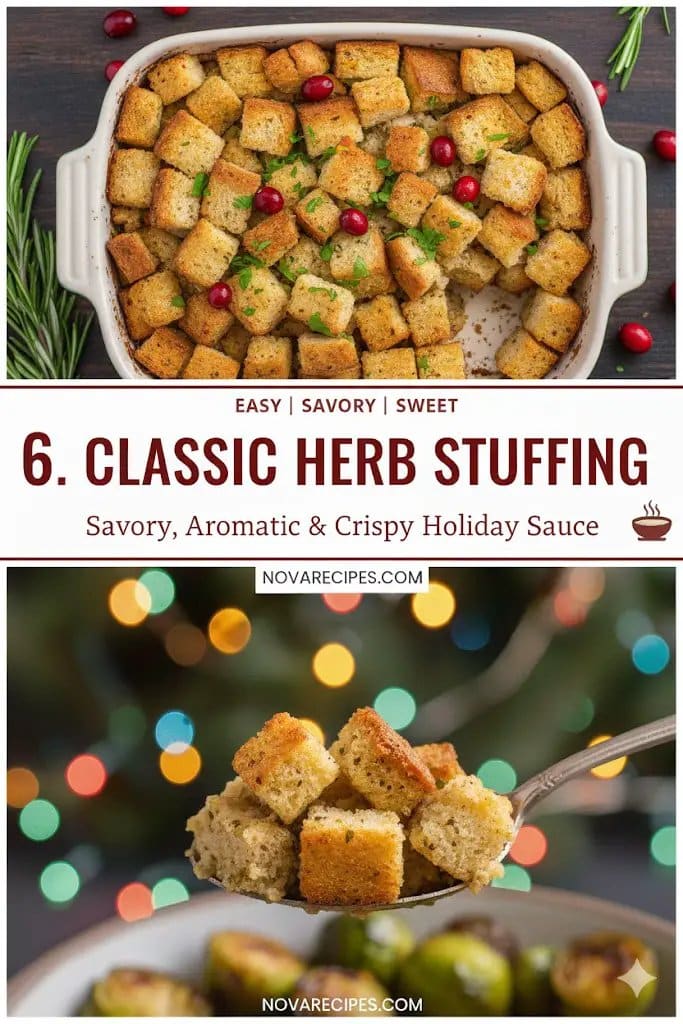
Stuffing—also known as dressing—is one of the most beloved side dishes in comfort food and holiday cooking. Warm, savory, and packed with herbs, vegetables, and bread, this dish is deeply tied to tradition, family gatherings, and festive meals. Whether baked inside a turkey or prepared separately as dressing, stuffing is often the heart of the holiday table.
In this complete guide, we’ll cover everything you need to know about stuffing or dressing: the history and differences between the two, essential ingredients, step-by-step instructions, expert tips, popular variations, pairing ideas, make-ahead and storage advice, health considerations, and presentation tips for blogs and Pinterest.
Stuffing vs Dressing: What’s the Difference?
The terms stuffing and dressing are often used interchangeably, but there are subtle differences rooted in tradition and geography.
Stuffing
- Traditionally cooked inside poultry (like turkey or chicken)
- Absorbs juices from the bird
- Moist and deeply savory
Dressing
- Cooked separately in a baking dish
- Common in the Southern United States
- Safer and easier to control texture
Today, most home cooks prepare dressing for food safety reasons—but still call it stuffing.
A Brief History of Stuffing
Stuffed dishes date back thousands of years. Ancient Romans stuffed meats with bread, herbs, nuts, and spices to stretch ingredients and add flavor. As bread became a household staple in Europe, stuffing evolved into a way to use stale bread efficiently.
In America, stuffing became closely tied to Thanksgiving, with regional variations developing over time:
- New England: herb and onion-based
- Southern U.S.: cornbread dressing
- West Coast: sourdough stuffing
- Pennsylvania Dutch: stuffing with apples
Why Stuffing Is a Timeless Favorite
Stuffing remains essential because it offers:
- Deep savory flavor
- Soft, comforting texture
- Endless customization
- Strong emotional and nostalgic value
- Perfect balance to roasted meats
It’s one of the few dishes people argue over—because everyone has a favorite version.
Core Ingredients for Classic Stuffing
A traditional stuffing recipe uses simple, humble ingredients.
Base Ingredients:
- 10–12 cups day-old bread, cubed
- 1 cup unsalted butter
- 1 large onion, diced
- 2–3 celery stalks, diced
- 2–3 cups chicken or vegetable broth
- 2 large eggs (optional, for binding)
Herbs & Seasonings:
- Salt and black pepper
- Dried or fresh sage
- Thyme
- Rosemary
- Parsley
Optional Add-Ins:
- Garlic
- Sausage or bacon
- Apples or cranberries
- Mushrooms
- Nuts
Choosing the Right Bread
Bread choice defines stuffing texture and flavor.
Best Bread Options:
- White sandwich bread (classic, soft)
- Sourdough (tangy, sturdy)
- French bread (crisp outside, soft inside)
- Cornbread (Southern-style dressing)
Always use day-old or dried bread to prevent sogginess.
Step-by-Step Instructions (Classic Stuffing or Dressing)
Step 1: Dry the Bread
- Cube bread and leave out overnight
- Or bake at 300°F (150°C) for 20–30 minutes
Dry bread absorbs flavor without becoming mushy.
Step 2: Cook the Aromatics
- Melt butter in a large skillet
- Add onion and celery
- Cook until soft and fragrant (8–10 minutes)
- Add garlic and herbs
Step 3: Combine
- Place dried bread in a large bowl
- Pour butter mixture over bread
- Toss gently to coat
Step 4: Add Liquid
- Gradually add warm broth
- Toss until bread is moist but not soggy
Optional: Stir in beaten eggs for structure.
Step 5: Bake
- Transfer to a greased baking dish
- Cover and bake at 350°F (175°C) for 30 minutes
- Uncover and bake another 15–20 minutes for crispy top
Expert Tips for Perfect Stuffing
-
Balance Moisture Carefully
Too much broth = mushy stuffing. -
Use Fresh Herbs When Possible
They elevate flavor significantly. -
Season Generously
Bread needs salt to shine. -
Cover Then Uncover
This creates soft interior and crisp top. -
Let It Rest Before Serving
Improves texture and slicing.
Popular Stuffing Variations
1. Sausage Stuffing
Browned sausage adds richness and protein.
2. Apple & Cranberry Stuffing
Sweet-tart contrast perfect for turkey.
3. Mushroom Herb Stuffing
Earthy and vegetarian-friendly.
4. Cornbread Dressing
Southern classic with crumbly texture.
5. Vegan Stuffing
Use olive oil and vegetable broth—still flavorful.
Stuffing vs Dressing Safety Notes
Cooking stuffing inside poultry can be risky if internal temperature doesn’t reach safe levels.
Safer Option:
- Bake stuffing separately
- If stuffing a bird, ensure internal temp reaches 165°F (74°C)
Most modern recipes recommend dressing-style preparation.
What to Serve with Stuffing
Stuffing pairs perfectly with:
- Roast turkey or chicken
- Gravy
- Mashed potatoes
- Green bean almondine
- Cranberry sauce or relish
It also works as:
- A leftover sandwich filler
- A base for baked eggs
- A casserole add-in
Make-Ahead & Storage Tips
Make Ahead:
- Assemble stuffing one day ahead
- Refrigerate and bake before serving
Storage:
- Store leftovers in airtight container
- Refrigerate for 3–4 days
Freezing:
- Freeze baked stuffing for up to 1 month
- Reheat in oven for best texture
Nutritional Considerations
Stuffing can be made lighter by:
- Using whole-grain bread
- Reducing butter
- Adding vegetables
- Using vegetable broth
It’s flexible and adaptable for different diets.
Frequently Asked Questions
Can stuffing be made gluten-free?
Yes—use gluten-free bread.
Can I skip eggs?
Yes, eggs are optional.
Why is my stuffing dry?
Not enough broth or butter—add warm broth gradually.
Can I reheat stuffing?
Yes, best reheated covered in the oven.
Presentation Tips for Pinterest & Blogs
- Use rustic baking dishes
- Show spoon scoops for texture
- Garnish with herbs
- Photograph golden, crispy top
- Pair with turkey for context
Stuffing photographs extremely well for holiday content.
Final Thoughts
Stuffing (or dressing) is more than just a side dish—it’s a symbol of comfort, tradition, and shared meals. With its savory herbs, soft bread, and endless variations, stuffing brings warmth and familiarity to every table. Whether classic, vegetarian, or loaded with extras, this dish remains a holiday essential that never goes out of style 🍞✨
[ad_2]
Source link