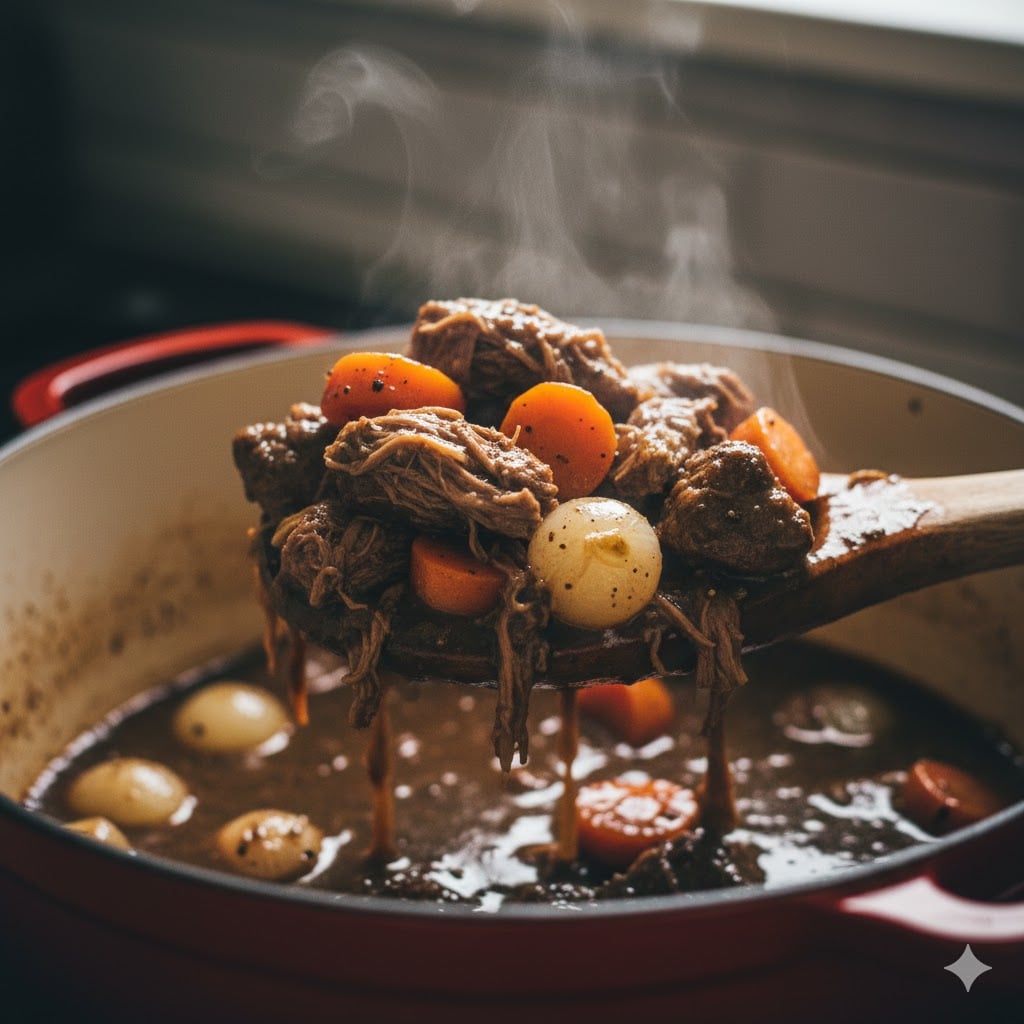
The secret to a world-class old fashioned beef stew is the patience required to render connective tissue into silky gelatin. To master this dutch oven beef stew, you must start by deeply searing your beef to trigger the Maillard reaction, then deglaze the pot with a rich liquid to capture every ounce of flavor. This ensures a thick, hearty beef stew with potatoes that offers a depth of flavor impossible to achieve in a quick-cook pressure vessel.
The Cultural Heritage of the Dutch Oven Stew
Beef stew is a global culinary “comfort” anchor. Whether it is a French Boeuf Bourguignon or a classic American old fashioned beef stew, the objective remains the same: transforming tough, affordable cuts of meat into a tender masterpiece.
The Science of Tenderness: Collagen to Gelatin
To rank as a subject matter expert, you must explain the “why” behind the long cook time. Tough cuts of beef are high in collagen.
- The Temperature Threshold: Collagen does not begin to break down into gelatin until it reaches a constant internal temperature of approximately $70°C$ to $80°C$.
- The Result: Gelatin provides that “mouth-coating” richness. If you rush a beef stew with potatoes, the meat will remain stringy and dry. By using a Dutch oven, you maintain the “Simmer Sweet Spot” for hours.
💡 Quick Expert Tip: The “Dry Meat” Secret
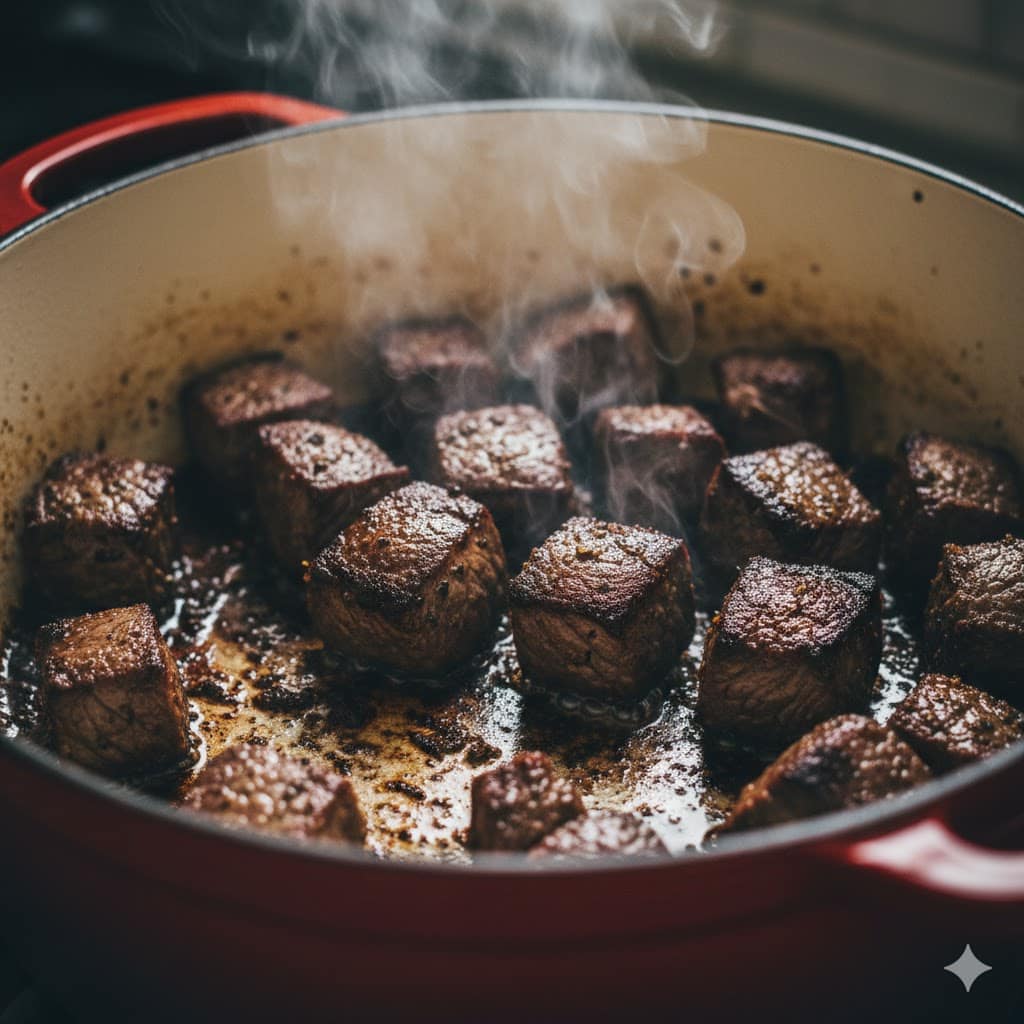
Never sear wet beef. If your beef is damp when it hits the oil, it will steam rather than sear. For a truly old fashioned beef stew, pat your beef cubes bone-dry with paper towels and salt them 15 minutes before cooking. This ensures a dark, mahogany crust that provides the base for your entire gravy.
Ingredient Deep-Dive: Sourcing for Success
1. The Beef (The Foundation)
Avoid “Stew Meat” packs at the grocery store; these are often random trimmings with different cook times.
- The Winner: Boneless Beef Chuck Roast. It has the perfect ratio of intramuscular fat and connective tissue.
- Secondary Keywords: Using chuck roast in a dutch oven beef stew ensures the meat remains succulent after a 3-hour braise.
2. The Potatoes (The Starch)
In a beef stew with potatoes, the type of potato determines the texture of the sauce.
- Yukon Gold: These are “all-purpose” and hold their shape well while lending a buttery texture.
- Russet: These will partially break down, naturally thickening the stew but leaving the chunks less defined.
3. The Aromatics and Liquids
A traditional old fashioned beef stew relies on the “Holy Trinity” of mirepoix: carrots, celery, and onions. However, the liquid is the soul of the dish. A combination of dry red wine (like Cabernet) and high-quality beef bone broth provides the acidic and savory balance needed to cut through the richness of the fat.
The Physics of the “Fond”
The brown bits stuck to the bottom of your Dutch oven are called fond. In professional cooking, the fond is the most concentrated source of flavor.
- Deglazing: When you add liquid to your old fashioned beef stew and scrape those bits up, you are incorporating toasted proteins into the sauce.
- Without the fond, your beef stew with potatoes will taste “flat” and one-dimensional. This is why searing is the most critical step of the entire process.
The Master Recipe: Dutch Oven Beef Stew
To create a beef stew with potatoes that has a professional, silky sauce rather than a thin broth, we use a technique called “singé.” This involves dusting the seared meat with flour before adding liquids, ensuring the roux is built directly into the flavor base of the dutch oven beef stew.
Ingredients
- 3 lbs Beef Chuck Roast (Cut into 1.5-inch chunks)
- 2 tbsp Neutral Oil (Grapeseed or Vegetable)
- 1/4 Cup All-Purpose Flour
- 2 tbsp Tomato Paste (For umami and color)
- 1 Cup Dry Red Wine (Cabernet or Merlot)
- 4 Cups Beef Bone Broth (Unsalted is preferred)
- 1 lb Yukon Gold Potatoes (Cut into 1-inch chunks)
- 3 Large Carrots (Peeled and cut into thick rounds)
- 2 Stalks Celery (Sliced into half-moons)
- 1 Large Yellow Onion (Diced)
- 4 Cloves Garlic (Minced)
- 2 tbsp Worcestershire Sauce
- Fresh Herbs: 2 Sprigs Thyme, 1 Sprig Rosemary, 2 Bay Leaves
Step-by-Step Execution Guide
1. The Maillard Sear
In your Dutch oven, heat the oil over medium-high heat. Sear the beef in batches. Do not crowd the pan, or the meat will steam. Remove the beef once a dark mahogany crust has formed on all sides.
2. The Aromatic Base
Reduce heat to medium. Add the onions, carrots, and celery to the residual beef fat. Sauté for 5–7 minutes. Add the garlic and tomato paste, cooking for another 2 minutes until the paste turns a deep brick red.
3. The Singé Technique
Sprinkle the flour over the vegetables and stir for 1 minute. This “cooks out” the raw flour taste. Return the beef and any accumulated juices to the pot.
4. Deglazing and Braising
Pour in the red wine, using a wooden spoon to scrape the fond (brown bits) off the bottom. Add the beef broth, Worcestershire sauce, and herbs. Bring to a simmer, then cover with a tight-fitting lid. Transfer to a $150°C$ ($300°F$) oven for 2 hours.
5. The Staggered Veggie Method
After 2 hours, remove the pot and stir in the potatoes. By adding the beef stew with potatoes element later in the process, you prevent the potatoes from disintegrating into the sauce. Return to the oven for a final 45–60 minutes.
Troubleshooting: How to Fix a “Broken” Stew
“My stew is too thin!”
The Cause: Not enough reduction or insufficient flour.
The Fix: Remove 1/2 cup of the liquid and whisk in 1 tablespoon of cornstarch to create a “slurry.” Pour it back in and simmer on the stovetop for 5 minutes.
“The meat is still tough.”
The Cause: You likely pulled it out before the collagen converted to gelatin.
The Fix: Put the lid back on and keep cooking! Every cow is different; some chuck roasts need an extra 30 minutes of “low and slow” heat to reach that fork-tender state.
FAQ: People Also Ask
1. Can I make this without wine?
Yes. Simply replace the red wine with an equal amount of extra beef broth and add 1 tablespoon of balsamic vinegar. The vinegar provides the necessary acidity to balance the heavy fats of the old fashioned beef stew.
2. Why use a Dutch Oven instead of a Slow Cooker?
A Dutch oven allows for evaporation and browning. Slow cookers trap 100% of the moisture, which can lead to a “boiled” taste. The Dutch oven creates a superior, concentrated gravy through slight reduction.
3. How do I store leftovers?
Beef stew is famously better the next day. As it sits in the fridge, the flavors of the aromatics and beef continue to meld. Store in an airtight container for up to 4 days or freeze for up to 3 months.
Conclusion: The Patience of a Masterpiece
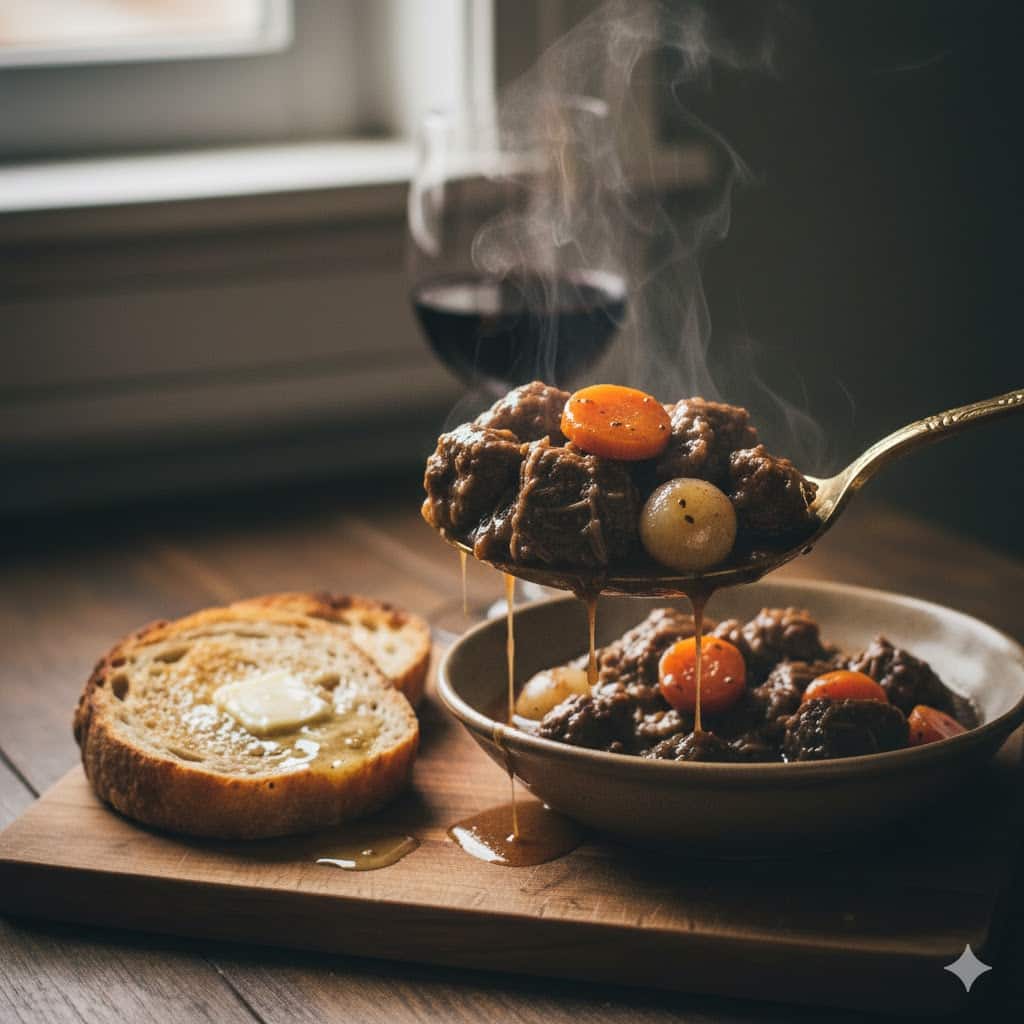
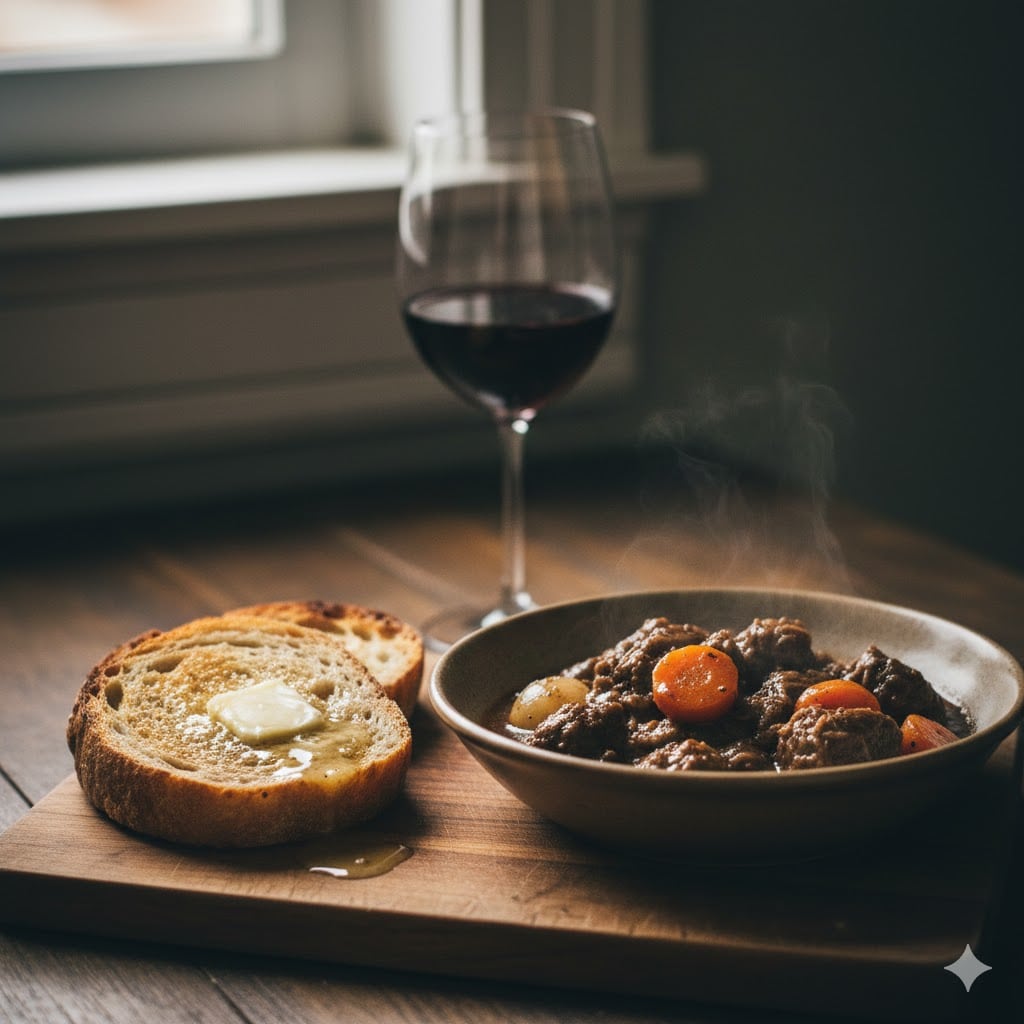
The beauty of an old fashioned beef stew lies in the transformation. You begin with humble, tough ingredients and, through the magic of radiant heat in a dutch oven beef stew, you produce a meal that is the pinnacle of comfort. By respecting the sear, mastering the deglaze, and utilizing the staggered vegetable technique, you ensure a beef stew with potatoes that is balanced, rich, and deeply satisfying. This is a recipe that honors tradition while utilizing modern culinary science to achieve the perfect result every single time.